




SECAUCUS, N.J — A study released last week has revealed some disturbing trends regarding workplace safety.
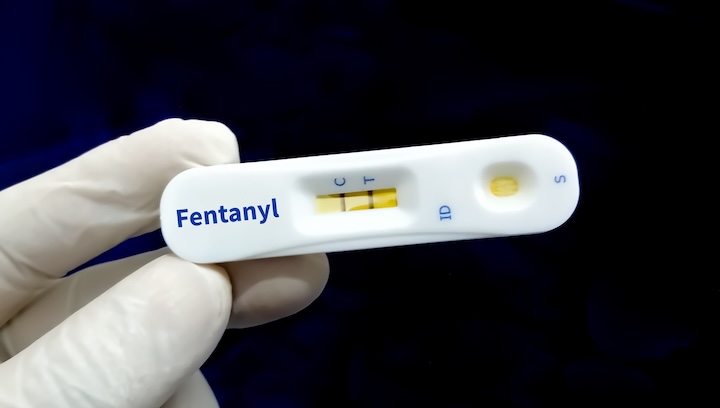
The percentage of employees in the general U.S. workforce testing positive for fentanyl in random drug tests far exceeded those in pre-employment testing, according to the 2025 Quest Diagnostics Drug Testing Index™ from Quest Diagnostics.
According to a press release, the new report reveals changing patterns of drug use by the nation’s workforce.
“While the analysis of more than 8 million drug tests shows that overall workplace urine drug positivity declined slightly last year, to 4.4% from 4.6%, the sharp increase in fentanyl in random drug checks suggests more workers are using the highly addictive opioid after they have passed pre-employment screens,” the release stated. “Random drug testing involves unscheduled and unannounced drug tests of employed individuals after they have presumably passed pre-employment drug screens.”
“In 2024, the general U.S. workforce positivity for fentanyl was 707% higher in random tests (1.13%) compared to pre-employment tests (0.14%),” Quest stated in its report. “This is a stark contrast to other categories of drugs, such as marijuana or other opiates, where less variation is seen in random and pre-employment positivity rates. For example, in the general U.S. workforce, marijuana’s positivity rate in random testing was 42% lower than its positivity rate in pre-employment testing over the past five years. In contrast, the fentanyl positivity rate in random testing has been 400% higher than in pre-employment testing over the past five years.”
In addition, 60% of specimens positive for fentanyl in the U.S. general workforce in 2024 were also found to be positive for other drugs. About 22% of fentanyl-positive workforce drug tests were also positive for marijuana, a rate that has doubled since 2020, when only 10% of fentanyl positives were also positive for marijuana. A large percentage of fentanyl positives were also found to be positive for amphetamines – 16% in 2024 compared to 11% in 2020.
“The new Quest data indicates a worrying increase in fentanyl positivity in random drug tests as well as fentanyl drug-combing among the nation’s workforce in day-to-day work environments,” said Suhash Harwani, PhD, Senior Director of Science for Workforce Health Solutions at Quest Diagnostics. “It is disturbing to see increased use of fentanyl on-the-job and in combination with other drugs, given fentanyl’s extreme potency, which can increase risk of impairment, accidents, and potential overdose. It also raises concern that employees are turning to a dangerous drug like fentanyl after they’ve passed a pre-employment drug screen, putting the overall wellness of the workforce at risk.”
A January 2025 CDC report suggests a slight increase in fatal overdoses in January 2025 compared to January 2024 following consecutive years of decline. Fentanyl has since proliferated in the U.S. and most overdose deaths – 7 out of 10 – are estimated to involve illegally manufactured fentanyls (IMFs), according to the CDC. Starting July 7, 2025, the Department of Health and Human Services’ Federal Drug-Free Workplace Program added fentanyl to the authorized drug testing panel. The majority of opioid-related overdose deaths involve multiple substances.
Other key findings from the Quest Diagnostics report include:
Marijuana Leads Workplace Drug Detections as Post-Accident Positivity Remains High
Marijuana remains the most frequently detected substance, with positivity holding steady at 4.5% in the general U.S. workforce year over year. Marijuana positivity following workplace accidents also remains high – post-accident positivity was 7.3% in 2024, just slightly below the record high of 7.5% in 2023. Among federally mandated, safety-sensitive workers, marijuana positivity declined slightly to 0.87% from 0.95% in 2023.
Overall Positivity Trends Remain Elevated Despite Modest Declines
In 2024, the combined U.S. workforce urine drug positivity rate declined slightly to 4.4%, down from 4.6% in 2023. While the dip marks the first reduction following three years of elevated positivity, the rate remains stubbornly high, with a 4% or higher overall drug positivity rate persisting over the past 10 years.
“The overall drug positivity rate continues to reflect persistent trends,” said Sam Sphar, Vice President and General Manager of Workforce Health Solutions at Quest Diagnostics. “When we talk to employers, they tell us the same thing the Quest data tells us – that drug abuse is an ongoing issue among the American workforce. Many also realize that permissive attitudes around drug use can put their non-substance using employees, not to mention the general public, at risk.”
Amphetamines Positivity Rates Increase; Other Positivity Remains Consistent
In the general U.S. workforce, amphetamines continued their upward climb, with positivity increasing to 1.7%, up from 1.5% in 2023. Cocaine positivity remained unchanged at 0.24%.
In contrast, several opioids and related substances showed ongoing declines. 6-AM, the metabolite of heroin, decreased to 0.004%. Opiates declined to 0.13% (from 0.14% in 2023), and oxycodones positivity remained unchanged at 0.27%.
Testing Positivity for Suspicion of Drug Use Declines
The 2025 Quest Diagnostics Drug Testing Index reveals that drug test positivity continues to vary significantly depending on the testing circumstance. In the general U.S. workforce, for-cause testing, used when employers have reasonable suspicion of substance use, showed a 33.1% positivity rate in 2024, a decline from 39.4% in 2023. Post-accident testing positivity fell slightly from 10.4% to 10.2%, while return-to-duty testing, administered to employees coming back after a violation of a company drug policy, declined from 8.4% to 7.9%.
“While it’s encouraging to see slight declines in for-cause, post-incident and return-to-duty drug test positivity rates, the rates continue to be elevated. For instance, the Quest data showing that about one in three employees tested for cause were positive for drug use demonstrates opportunities for employers to bolster psychologically safe practices and recovery-supportive programs, enhancing both employee reporting and safety initiatives,” said Claire Bryant, Senior Program Manager of Workplace Wellbeing at the National Safety Council.
Among federally mandated, safety-sensitive workers, who are typically subject to stricter testing protocols, for-cause positivity was 12.6% compared to 14.5% in 2023, post-accident positivity stood at 4.5% compared to 4.6% in 2023, and return-to-duty testing had a 4.8% positivity rate compared to 5.2% in 2023. These figures suggest that within highly regulated industries compliance programs and proactive safety strategies appear to result in lower workforce drug testing positivity versus the general U.S. workforce.

Bruce Guthrie is an award-winning journalist who has lived in three states including Arkansas, Missouri and Georgia. During his nearly 20-year career, Bruce has served as managing editor and sports editor for numerous publications. He and his wife, Dana, who is also a journalist, are based in Carrollton, Georgia.