






It’s not unusual for CDL drivers to change jobs. As newer drivers learn more about the industry, they start to eyeball the “greener grass” enjoyed by other truckers they encounter. Even seasoned drivers often move from carrier to carrier, seeking better pay, benefits and job security.
If you’re an owner-operator and run your own business, job satisfaction is also important. You can simply move your truck to a different carrier, seeking higher pay, better equipment or more home time — but a look at the different types of trucking and might reveal a different way to change up your routine, increase your enjoyment and maybe even make a little more money. There is a huge diversity of opportunities within the industry.
If you’re thinking about a change, there are a lot of ideas rolling down the same road you’re traveling. You’ll see a wide variety of trailer types on every trip, and each represents a different segment of trucking. Each type has its own characteristics, both good and bad. Here’s a quick rundown of the various trailer types and what hauling them entails.
Dry Van
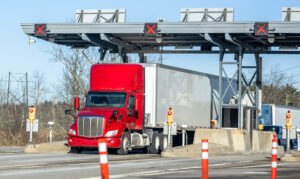
A lot of new drivers start out pulling a dry van trailer. These are essentially big boxes on wheels, and they can be used to haul just about anything that fits inside.
Because most dry van trailers must be loaded and unloaded through rear doors, pickups and deliveries are almost always at locations with docks — warehouses, distribution centers, etc. Often, these locations are in populated areas that are prone to traffic congestion.
Refrigerated/Temperature Controlled
Refrigerated trailers are essentially dry van trailers with a temperature control unit attached.
One advantage is that they can haul non-temperature-controlled products, too. Turn off the refrigeration and it becomes a dry van trailer.
Disadvantages include the additional responsibility of monitoring temperature and fueling the trailer, as well as the possibility of some loads being rejected due to improper temps. Deliveries to the dreaded grocery warehouses — complete with lots of waiting, freight handling and dealing with “lumpers” — are characteristics that some drivers want to get away from.
Flatbed
Flatbed trucking offers a variety of cargo options. Many flatbedders haul steel or lumber, but some specialize in equipment, formed concrete or other products.
The pay tends to be higher than some other segments of trucking — but there’s more work required, including securing and tarping loads to protect cargoes. Some drivers prefer “side kits” with a tarp over the top or extendable tarping systems to hand-tarping individual loads.
One aspect many drivers find appealing about hauling flatbed is that pickup and delivery locations can be far different than those frequented by dry van drivers. Steel mills and sawmills are common, along with deliveries to construction sites, retail stores and more.
Tanker
Tanker is a trucking segment that offers loading and unloading through hoses and hatches instead of doors. Drivers often prefer reduced load and unload times and zero touching of the freight.
Tankers haul a huge variety of products, both liquid and dry bulk. Chemicals and petroleum products are common, and a hazmat endorsement is a requirement for many tanker jobs. Some products require frequent tank washes that can be inconvenient for drivers.
Like flatbed work, drivers sometimes find the pickup and drop locations involved to be preferable to warehouses and docks.
One advantage to tanker work is that local opportunities are available. Gasoline, milk, animal feed and other products are distributed daily, and jobs that get drivers home every night aren’t hard to find.
Be aware, though: Loaded tankers require special driving techniques because they’re top-heavy and, depending on size and product, can be impacted by product slosh and surge.
Dump
Dump trailers are another trucking variation that can provide both long-haul and local work and don’t involve a lot of stops at warehouses and docks.
Hauling materials for construction can be seasonal, but many drivers stay busy through the year. Other trailers haul grain or other agricultural products, and waste disposal often provides local and regional work.
Extra skills are needed for driving and dumping, as dump trailers can tip over in certain conditions.
Auto Transport
Automobile transport trailers are heavily dependent on the economy, but they provide an alternative to warehouse deliveries. They require some strategy in loading and weight management, and drivers are often required to unload vehicles at dealerships or other locations, sometimes while parked on the street or in hazardous conditions. Empty trailers are heavy.
Livestock
Many drivers enjoy hauling livestock in specialized trailers. These jobs tend to be more rural in nature and require some knowledge and care of the animals being transported. Schedules are often tight. Trailer cleaning can be rather unpleasant, and deliveries to meat processing centers may not be ideal for the squeamish. Still, many drivers enjoy working with farmers and ranchers, as well as the “country” aspect of the job.
Specialty
There are a number of specialty jobs in trucking as well, such as hauling race cars, performing artists, museum shows and more. These jobs are heavily dependent on customer demands but can be uniquely satisfying.
How to choose?
I’ve talked about only some of the variety of job types available in the trucking industry. There are many more, but space doesn’t allow listing all of them. If you’ve invested in a truck — or even if you’re just thinking about it striking out on your own — it makes sense to put your efforts and dollars into a career that’s most satisfying.
Whether you’re a company driver or an independent contractor, I suggest you take the time to identify the two or three largest issues with your current business situation. What are the most stressful issues of your trucking job?
Before deciding what to change TO, figure out what you’re changing FROM. Then talk to drivers of the type of equipment you think you might be interested in. Most drivers will be glad to help you understand the ups and downs of their brand of trucking. If those drivers are owner-operators, they can help with the business-related questions you have.
Owner-ops, if you intend to lease your truck to a carrier in the field you’re interested in, don’t wait until orientation to ask questions. A reputable carrier should be willing to answer your questions, show examples of representative loads and clearly communicate their advantages and disadvantages. Some may offer training in their specialty areas or allow you to ride along with another driver while you learn the ropes.
Trucking is truly an industry that has something for everyone. Whether you’re planning to change jobs because of a business issue, such as more earning opportunities or less cost, or a personal enjoyment thing like better working conditions or more time at home, it’s worth checking out the wide variety of options.

Cliff Abbott is an experienced commercial vehicle driver and owner-operator who still holds a CDL in his home state of Alabama. In nearly 40 years in trucking, he’s been an instructor and trainer and has managed safety and recruiting operations for several carriers. Having never lost his love of the road, Cliff has written a book and hundreds of songs and has been writing for The Trucker for more than a decade.




You did not mention the heavy haul trucker and the wide variety of trailers they use.