



The heavy-duty trucking industry is entering an important period of transition as new engine technologies and emissions regulations impact operational requirements. The formal approval of the American Petroleum Institute (API) Proposed Category 12 (PC-12) heavy-duty engine oil specification represents a significant step in preparing the market for these changes.
PC-12 will be incorporated into API 1509, the Engine Oil Licensing and Certification System (EOLCS), establishing the framework for licensing and performance validation. With this approval, the API Service Categories CL-4 and FB-4, along with the “Donut” certification marks, are now available. This enables oil marketers to finalize product formulations and packaging before the first licensing date on Jan. 1, 2027.
To further support industry readiness, API will open its licensee portal on June 1, 2026. This early-access period allows licensees to begin entering CL-4 and FB-4 products into the system, facilitating a more efficient transition as new model year engines approach commercialization.
Background on PC-12 development
The development of PC-12 is rooted in a multi-year, industry-wide effort to address evolving regulatory and performance requirements. In 2021, the Engine Manufacturers Association requested a new diesel engine oil category to support future engine designs and anticipated emissions standards.
This request closely aligned with the U.S. Environmental Protection Agency’s 2027 heavy-duty emissions regulations, which will require more than an 80% reduction in NOx emissions, stricter limits on particulate matter, and extended durability expectations for emissions control systems.
API, in collaboration with OEMs, lubricant marketers, additive companies and other stakeholders, initiated the PC-12 development process to ensure that engine oils would be capable of supporting these new requirements.
Performance and technical advancements
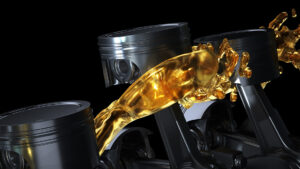
PC-12 establishes performance improvements designed to support next-generation engines. These include improved oxidation resistance to maintain oil stability under higher thermal stress, enhanced wear protection for engines operating at increased pressures, and expanded elastomer compatibility for modern sealing materials.
In addition, the specification addresses the growing importance of aftertreatment system durability. Lower SAPS (sulfated ash, phosphorous, sulfur) levels help protect diesel particulate filters and catalytic systems, contributing to sustained emissions compliance and reduced maintenance costs.
PC-12 also supports the use of lower viscosity engine oils, including SAE XW-20 grades in certain applications, which can contribute to improved fuel efficiency while maintaining required levels of engine protection.
Category structure and application
The PC-12 framework introduces two distinct service categories to meet varying operational needs:
- API CL-4 is designed to be backward compatible with existing equipment, providing fleets with flexibility in mixed fleets.
- API FB-4 is intended for use in newer engine designs optimized for lower viscosity oils and improved fuel economy performance.
Clear differentiation between these categories will be important for fleets as they align maintenance practices with evolving equipment specifications.
The role of API 1509
API 1509, Engine Oil Licensing and Certification System, describes the voluntary API EOLCS program, the process for developing new engine oil performance standards and the requirements for licensing and proper use of the API Marks. This framework helps ensure that licensed products consistently meet established performance standards in the marketplace.
Preparing for 2027
Although the first licensing date for PC-12 is Jan. 1, 2027, preparation is underway. Oil marketers are finalizing oil formulations and testing their new oils, OEMs are aligning engine designs with new performance criteria, and fleets should begin evaluating how these changes will impact maintenance and procurement decisions.
The introduction of API CL-4 and FB-4 marks a key milestone in that process by providing the industry with the necessary tools and timeline to prepare for a seamless transition to the next generation of heavy-duty engine oils.
For more information about PC-12 and API’s Engine Oil Licensing and Certification System, visit API.org/EOLCS.

Bill O’Ryan is director of the Engine Oil Licensing and Certification System (EOLCS) and Diesel Exhaust Fluid (DEF) Certification Programs at the American Petroleum Institute (API). He has worked in the transportation lubricants industry for over 30 years and joined the American Petroleum Institute (API) in 2022. His background includes additive package development, engine and driveline testing. Bill has oversight responsibility for the Aftermarket Audit Program (AMAP), an annual program in which thousands of engine oil and DEF samples are purchased in the marketplace around the globe and tested to ensure conformance with required specifications.