




ATLANTA, Ga. – How ready are cities and stadiums that are preparing for the upcoming international soccer tournament?
Geotab has analyzed billions of data points to understand how ready host cities are for the wider transport pressure the world’s biggest soccer tournament will bring this summer, according to a press release it issued on Tuesday.
“Using vehicle data from June and July 2025, including periods covering major sporting and public events, Geotab examined how road networks in all 16 host cities perform when sudden surges in activity put pressure on the movement of people, deliveries and day-to-day traffic, the release stated.
Geotab gave each host city a score out of 10, based on four components: how congested roads normally are (35%), how much time vehicles waste idling (15%), how safely vehicles drive (25%), and how well the cities have bounced back from past large events (25%).
The results, published in the Geotab Host City Rankings dashboard, paint a mixed but mostly challenging picture with the tournament starting in approximately a month.
“While the tournament will bring obvious pressure around stadiums and fan travel, the wider issue is how well host-city road networks maintain resilience as they absorb major event demand by limiting disruption to local traffic, commercial operations and the movement of goods,” the release stated.
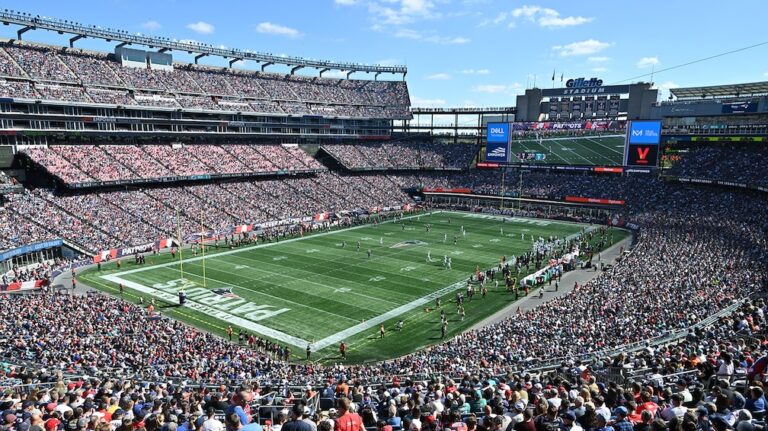
Geotab’s reports stated that Foxborough, a suburb of Boston, is the only city to score more than 8 out of 10 (8.01), with ten host cities scoring less than 7 out of 10. The bottom three cities (Los Angeles, Vancouver and Toronto) all score less than 5 out of 10. Los Angeles and Atlanta score less than 1 out of 10 (both 0.9) for ‘resilience’, i.e. how well they have coped with previous large events, with both cities unable to absorb crowds without significant disruption in the summer of 2025.
“The world’s most popular sport is coming to cities across North America, putting the infrastructure of many cities through the ultimate pressure test this summer,” said Mike Branch, VP Data & Analytics at Geotab. “The challenge is moving people, goods and services during massive events. Everyone is impacted. We want to understand how well the wider road networks cope with local traffic, deliveries and day-to-day movement to help cities improve their road planning and routing networks.”
Drivers expect wider disruption on major event days
Geotab also surveyed 3,000 drivers across Canada, Mexico and the U.S. to understand how major events affect day-to-day driving conditions in host cities. The vast majority of drivers in each country find driving in their city stressful on the day of a major event. Compared with a normal day, 76% of respondents in Canada, 89% in Mexico and 79% in the US say that driving is more stressful during an event.
“In the midst of ongoing fuel price volatility, drivers are also concerned about the hit to their finances during the tournament,” the release stated.
Almost five in six drivers (83%) in Mexico are concerned about wasting fuel due to delays or idling when major events increase traffic in their city, with over two-thirds in Canada (67%) and three-quarters of respondents in the US (76%) saying the same.
“Drivers are right to be concerned about the impact of major events on their day-to-day lives,” added Branch. “What this data does is show city officials and planners where road networks are likely to come under pressure, and what they could be preparing for before the tournament begins.”
Host City Ranking – the four score components
This Host City Ranking appraises all 16 host cities on how well their road networks handle large-scale events, based on commercial vehicle intelligence from Altitude by Geotab, a platform that aggregates and analyzes real-world vehicle data collected across Geotab’s global telematics network. This matters not only for private drivers and fans travelling to matches, but also for commercial vehicle drivers moving food, goods and supplies through host cities during periods of peak demand.

Bruce Guthrie is an award-winning journalist who has lived in three states including Arkansas, Missouri and Georgia. During his nearly 20-year career, Bruce has served as managing editor and sports editor for numerous publications. He and his wife, Dana, who is also a journalist, are based in Carrollton, Georgia.