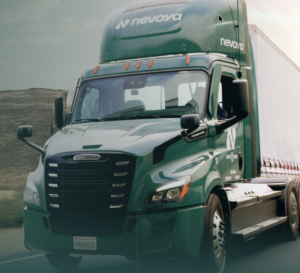




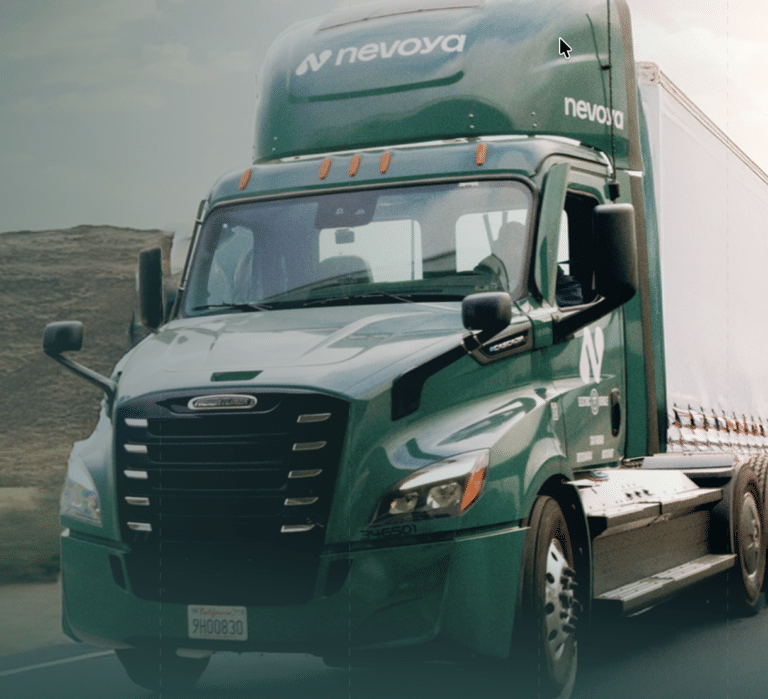
SAN FRANCISCO, Calif. — Nevoya is announcing a multi-year agreement with Meta that supports the deployment of 25 Class 8 battery-electric trucks on the Interstate 10 (I-10) between San Bernardino, Calif.and Phoenix, Ariz.
“Meta coming back for a second corridor is a strong signal that this model works,” said John Verdon, co-founder, CEO, Nevoya. “Electric trucks already win on the corridors we run; what unlocks them at scale is multi-year demand that drives financial and operational innovation. That is what this agreement does, and we intend to repeat it corridor by corridor.”
The deal includes bringing online electric trucking charging infrastructure with the 25 deployed trucks’ charging matched 100% with renewable energy certificates.
Center for Green Market Activation
Meta will purchase environmental attribute certificates (EACs), representing the environmental attributes of Nevoya’s battery-electric freight service. This is Meta’s second agreement with Nevoya. In Texas, Meta was one of several buyers in the Center for Green Market Activation (GMA) buyers’ alliance whose collective EAC purchases support Nevoya’s 63-truck deployment on the Houston–Dallas corridor. This new agreement is a standalone deal between Nevoya and Meta and gives Meta a framework to unlock additional corridors in the future. Nevoya expects the 25 I-10 trucks to begin operating in 2027 and to cover approximately 4 million freight miles annually.
Meta’s purchase is not tied to the physical transport of Meta’s own goods. Rather, companies purchase EACs to address emissions associated with their value chains, including logistics. The agreement helps scale electric trucking in a region central to Meta’s infrastructure with the I-10 being a key route for moving data center construction materials across the southern United States.
High Capacity Corridor
I-10 is the major high-capacity east-west corridor across the southern United States. It links the ports of Los Angeles and Long Beach to Phoenix, El Paso, Houston and the Gulf. Class 8 battery-electric trucks produce no tailpipe emissions and run quieter than diesel trucks, which can reduce local noise pollution and air pollutants such as NOx, PM2.5 and diesel particulates along the route. Nevoya expects the charging infrastructure to be available to all freight operators on the corridor.
“Coming back to Nevoya for a second corridor reflects what we look for in our value chain work: partners that can scale, and agreements we can repeat,” said Devon Lake, head of net zero strategy, Meta. “Freight is part of the emissions footprint of building and operating our data centers, and multi-year commitments like this help address our scope 3 emissions and make electric trucking available and competitive on the routes that serve the regions where we build.”

Dana Guthrie is an award-winning journalist who has been featured in multiple newspapers, books and magazines across the globe.