



A federal program that helps fund the replacement and upgrading of older diesel-powered trucks and equipment could remain in place through fiscal year 2029 under legislation that has cleared the U.S. House.
The House passed the Diesel Emissions Reduction Act (DERA) of 2025 (H.R.2140) on September 15, 2026, by a 343-79 vote. The measure was received in the Senate the following day, read twice and placed on the Senate Legislative Calendar.
Despite its name, the legislation does not create a new emissions program or impose new emissions standards on motor carriers.
Instead, the two-section bill makes a simple change to existing law: It extends authorization of the Environmental Protection Agency’s Diesel Emissions Reduction Act (DERA) program from fiscal year 2024 through fiscal year 2029.
The legislation was introduced by Rep. Doris Matsui (D-CA), along with Reps. Ken Calvert (R-CA), Chellie Pingree (D-ME) and Nicholas Langworthy (R-NY).
What DERA does
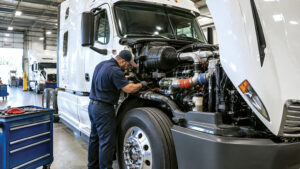
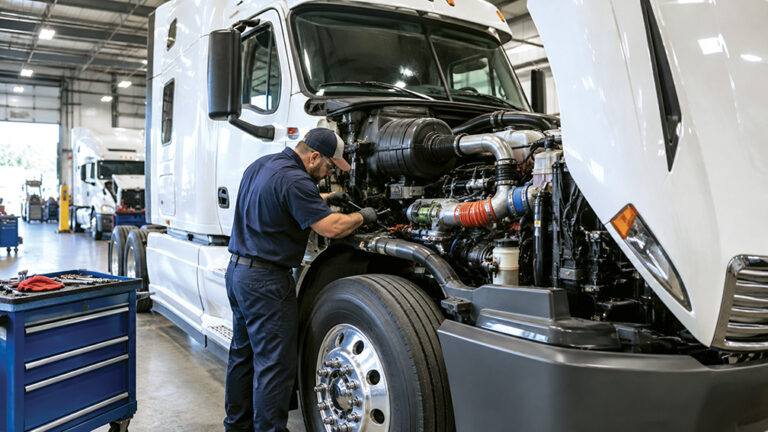
Created under the Energy Policy Act of 2005, DERA provides funding to accelerate the replacement, retrofit or upgrade of older diesel engines and equipment.
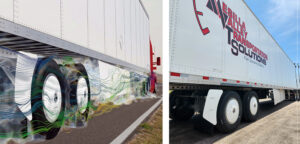
For the trucking industry, eligible equipment includes Class 5 through Class 8 heavy-duty highway vehicles. Funding can support projects involving certified engine or vehicle replacements as well as verified idle-reduction technology, aerodynamic technology and low-rolling-resistance tires. The broader program also covers diesel-powered buses, locomotives, marine engines and nonroad equipment.
Importantly for fleets, DERA isn’t simply a grant program through which individual trucking companies directly apply to EPA.
Eligible applicants for the national competitive program include state, local and tribal agencies, port authorities and qualifying nonprofit organizations.
Those organizations can partner with diesel fleet owners and provide financial assistance through mechanisms such as subawards or rebates. EPA also distributes a portion of DERA funding directly to states and territories for their own diesel emissions reduction programs.
The program has been used extensively for transportation projects. According to EPA’s latest report to Congress, nearly $960 million in DERA funding from 2008 through 2020 helped replace or retrofit approximately 76,900 engines or vehicles nationwide. EPA also gives priority to goods-movement projects, including those involving trucks, rail operations, ports and distribution centers.
Funding available now
The reauthorization effort comes as EPA is accepting applications for its 2026 DERA National Program.
EPA expects to award approximately $180 million through the current funding opportunity. Applications are due January 22, 2027. The agency expects to make between four and 12 awards in each EPA region, with selections anticipated in May 2027 and awards expected in July.
An additional approximately $54 million is anticipated for the combined fiscal 2025-2026 DERA State Program, subject to appropriations.
H.R.2140 itself does not appropriate that money. Rather, it would extend the statutory authorization for the DERA program through 2029, allowing Congress to continue funding it through the annual appropriations process.
For motor carriers, that distinction matters. The bill would not mandate fleet upgrades or establish new diesel emissions requirements. Instead, it would preserve a federal funding mechanism that states, ports and other eligible organizations can use to help fleets replace or upgrade older diesel equipment.
With House approval secured, the measure now awaits action in the Senate.
This article first appeared in the November/December 2026 print edition of Truckload Authority, the official publication of the Truckload Carriers Association.

Linda Garner-Bunch has been with The Trucker since 2020, picking up the reins as managing editor in 2022. Linda has nearly 40 years of experience in the publishing industry, covering topics from the trucking and automotive industry to employment, real estate, home decor, crafts, cooking, weddings, high school sports — you name it, she’s written about it. She is also an experienced photographer, designer and copy editor who has a heartfelt love for the trucking industry, from the driver’s seat to the C-suite.