




With driver shortages and high turnover rates continuing to challenge the transportation industry, fleet operators must prioritize safety and ongoing training to mitigate risks.
Between 2009 and 2022, fatal crashes involving large trucks surged by nearly 50%. Additionally, new drivers accounted for 7.4% of these crashes in 2022 — up from 4.6% in 2017. Insurers have responded by increasing premiums, with the cost per mile rising from 6.4 cents in 2013 to 8.8 cents in 2022.
Proactive investment in driver education and preparedness, performance incentives and structured finishing programs can significantly improve road safety, reduce insurance costs and enhance driver retention.
3 strategies to foster a culture of safety
Here are three ways fleet operators can create a safer, more efficient fleet while improving their bottom line:
1. Ensure training programs are data driven.
Carriers should continuously leverage telematics data and driver analytics to track the effectiveness of their training programs. By integrating performance insights into a comprehensive driver education system, fleets can:
- Identify areas where drivers need additional coaching;
- Provide personalized feedback to correct unsafe behaviors; and
- Present data-driven results to insurance underwriters, potentially leading to premium reductions.
Additionally, offering multilingual training materials can enhance comprehension and overall safety.
2. Implement comprehensive driver finishing programs.
With a growing number of seasoned drivers retiring, carriers are hiring more inexperienced drivers who are statistically twice as likely to be involved in accidents. To address this risk, fleet operators should develop structured finishing programs that bridge the gap between entry-level training and real-world experience.
These programs can include:
- Scenario-based learning: Utilizing simulation technology or structured classroom training to help drivers navigate high-risk situations.
- Mentorship initiatives:Pairing new drivers with experienced professionals for hands-on guidance and support.
- Extended training hours:Requiring up to 200 hours of behind-the-wheel training with an instructor to reinforce safe driving techniques.
By investing in finishing programs, fleets can ensure new drivers receive the necessary skills and experience to operate safely and efficiently.
3. Develop incentive programs to encourage safe driving.
Safety incentive programs are a powerful tool for improving driver performance, boosting retention and making fleets more attractive to insurers. Well-structured programs should include:
- Clearly defined criteria:Drivers should know exactly what behaviors contribute to rewards, whether it’s accident-free miles, adherence to speed limits or telematics-based performance metrics.
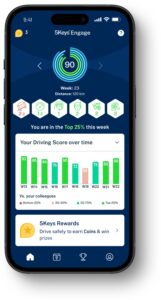
- Real-time performance dashboards:Providing drivers with ongoing feedback on their safety scores enables them to monitor their progress and strive for improvement.
- Monetary and non-monetary rewards:Options like cash bonuses, increased pay rates for safe driving or recognition programs can boost morale and encourage participation.
Fleets that successfully implement incentive programs not only reduce accidents but also position themselves as lower-risk clients to insurance providers.
The road ahead
The key to maintaining a well-trained and safe fleet lies in structured education, incentivized performance and data-driven decision-making. By implementing these strategies, commercial fleets can reduce accidents, improve retention and gain a competitive edge in an increasingly challenging industry.

Dan Wilhelm, CIC, is the transportation practice leader for global insurance brokerage Hub International. He has more than 25 years of insurance experience, and a strong entrepreneurial background. He specializes in complex risk for all lines of coverage for middle market and large accounts related to automobile, construction, manufacturing, food processing, distribution and transportation. He is licensed in property and casualty as well as life and health. Dan helps develop cost-effective and comprehensive insurance programs for all areas of coverage.