



UC Berkeley researchers say a new AI model found a hidden ECG signal that could help doctors identify more people at risk before sudden cardiac death
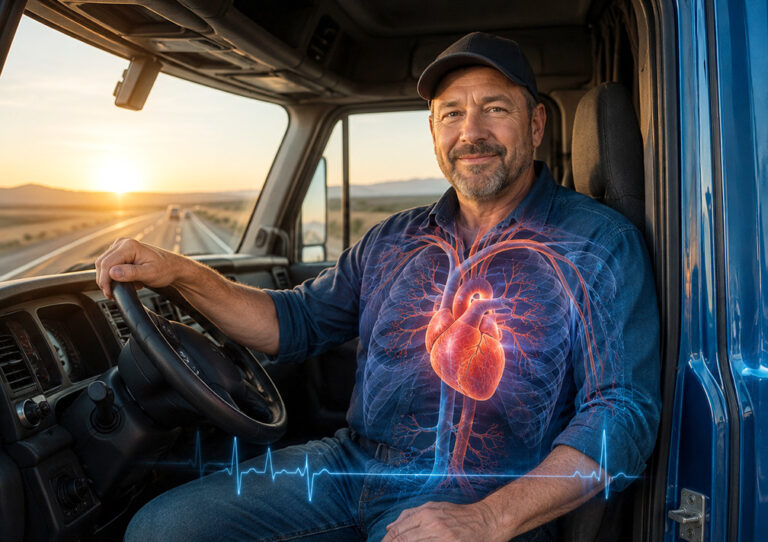
UC Berkeley researchers say a new AI model found a hidden ECG signal that could help doctors identify dangerous heart risk earlier, a breakthrough that could be especially important for commercial drivers whose cardiac or pulmonary issues can threaten their medical certification
A routine heart test may be hiding a warning sign that doctors have missed for years. That is the big takeaway from new UC Berkeley research published in Nature. Researchers trained an artificial intelligence model to study ECGs, also called EKGs, and look for patterns tied to sudden cardiac death.
For truck drivers, this kind of early warning could carry an added layer of urgency: Many commercial drivers already battle cardiac and pulmonary issues, including high blood pressure, shortness of breath, sleep-related breathing problems and other conditions that can complicate a DOT physical.
When your health affects your medical card, it can also affect your Commercial Driver’s License (CDL), your route and your paycheck.
That is what makes this research worth paying attention to. Sudden cardiac arrest can strike people with known heart problems. However, it can also hit people who never knew they were at risk. Each year, hundreds of thousands of Americans die after cardiac arrest. Once it happens outside a hospital, survival can drop fast. CPR and a defibrillator can save lives, but timing is everything.
Now, AI may help doctors spot some patients earlier, while their hearts still look normal by today’s common tests
For anyone behind the wheel of a big rig, that could someday mean more than a medical breakthrough. It could mean catching a hidden risk before it becomes a roadside emergency or a career-threatening medical problem.
Sign up for Kurt’s FREE CyberGuy Report
-
- Get Kurt’s best tech tips, urgent security alerts and exclusive deals delivered straight to your inbox.
- For simple, real-world ways to spot scams early and stay protected, visit CyberGuy.com, trusted by millions who watch CyberGuy on TV daily.
- Plus, you’ll get instant access to Kurt’s Ultimate Scam Survival Guide free when you join.
How AI found a hidden heart risk
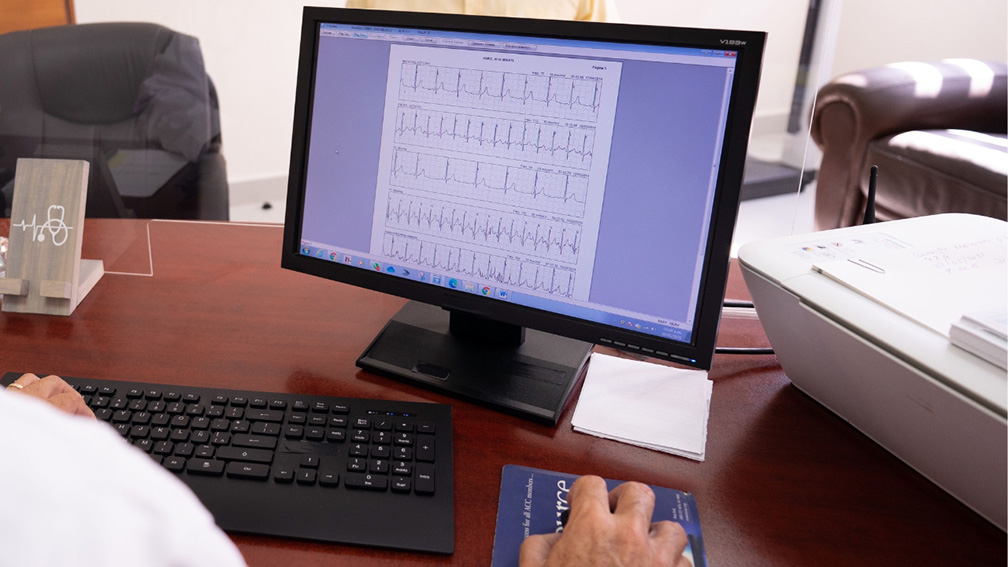
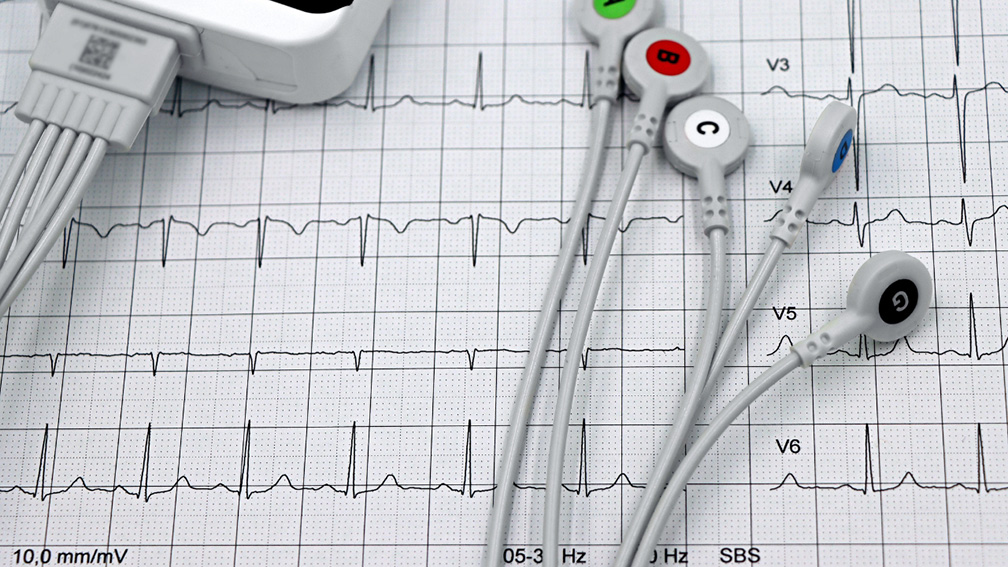
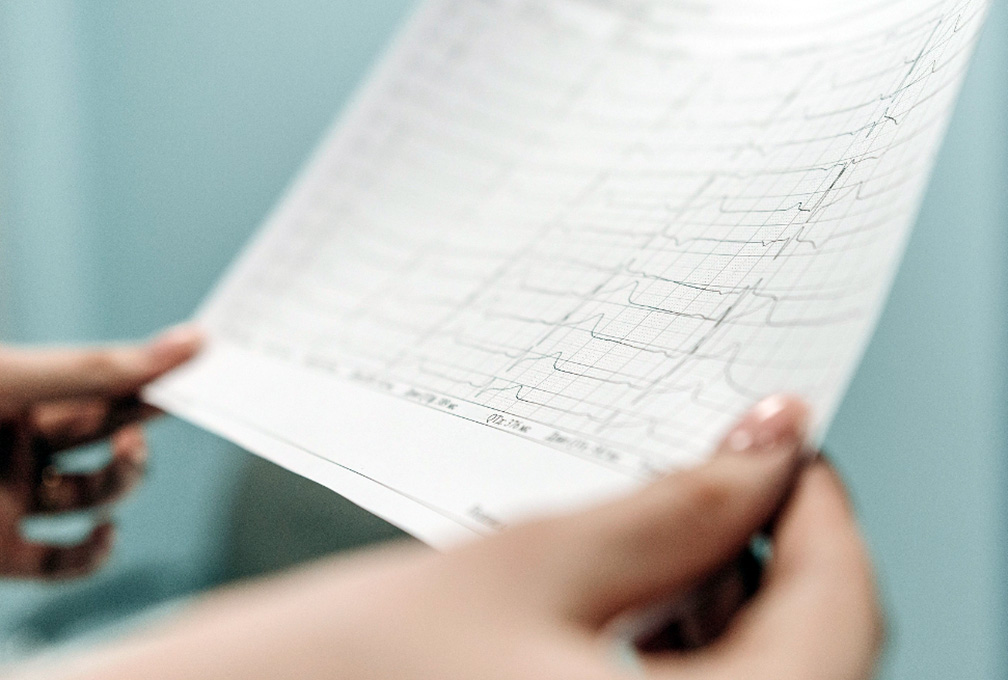
An ECG records the electrical activity of your heart. It creates the familiar spikes and waves doctors review to check rhythm and other heart clues.
For this study, researchers used more than 440,000 ECGs from Sweden. They paired those scans with death certificates and health records. Then they trained the AI model to look for waveform patterns linked to sudden cardiac death.
After that, they tested the model on separate patient data from the U.S. and Taiwan. That step is important because medical AI often looks good in one dataset, then fails in the real world. Here, the model held up across very different health systems.
Why today’s heart screenings can miss people
Doctors often use a measurement called left ventricular ejection fraction, or LVEF, to judge risk. In plain terms, it shows how much blood the heart pushes out with each beat.
If that number falls below a certain threshold, a patient may qualify for an implantable defibrillator. That device can shock the heart back into rhythm during a dangerous event.
However, this method leaves big gaps. Many people who die suddenly never had that deeper heart evaluation. Others may have a heart that pumps normally but still be at risk for a dangerous rhythm problem.
The UC Berkeley model found a high-risk group with a 7% annual rate of sudden cardiac death. The standard reduced LVEF group had a 4.6% annual rate.
Even more striking, most patients flagged by the AI were missed by the LVEF method. In other words, a routine ECG may hold warning signs that current screening overlooks.
AI found a hidden ECG warning sign
The researchers did more than ask AI for a risk score. They also tried to understand what the model saw. That is important because medical AI can become a black box if doctors get an answer with no clear reason behind it.
To dig deeper, the team used another AI system to compare low-risk and high-risk ECG patterns. Think of it as a way to see how a normal-looking heartbeat pattern could shift into a higher-risk one.
That comparison pointed to a visible feature in one part of the ECG called aVL. This is one of the standard views doctors use to read the heart’s electrical activity. The feature showed up in the QRS complex, the part of the ECG that reflects the heart’s main electrical signal during each beat.
Researchers say this signal strongly predicted sudden cardiac death. They also say it had not been previously described in medical literature. That raises a fascinating possibility. AI may help doctors make better predictions and spot warning signs humans have missed.
Why this could change defibrillator decisions
An implantable defibrillator can save a life. Still, putting one in the wrong patient has risks. The procedure can be invasive and costly. Also, many devices placed under current rules never need to fire.
So doctors face a brutal challenge: Miss the patient who needs the device and the result can be deadly. Implant too many and patients face procedures they may never need.
This new AI tool could help narrow that gap. It may flag patients who need closer monitoring before doctors consider bigger steps.
The next phase is already underway. Researchers are working with health systems in Sweden, Taiwan and the U.S. to test the algorithm on hospital ECG databases.
If the tool flags a scan as high risk, doctors could contact the patient. The patient may then wear a heart-monitoring patch. That could reveal more about the dangerous rhythm before it turns fatal.
The privacy question no one should ignore
There is another side to this story. Medical AI needs huge datasets to work well. Researchers said it took about a decade to compile the data used in this study. That tells you how hard serious clinical AI can be.
But it also raises a fair question. Who controls the data when your scan helps train a medical model? Hospitals, researchers and AI companies need clear guardrails. Patients should know how their health records get protected, shared and used.
Before sharing more health data, review health app permissions, logins and privacy settings. Health apps can hold sensitive information, so small privacy choices can have big consequences. Better prediction can save lives. However, trust will decide how quickly people accept these tools.
What this means to you
This AI tool is promising, but you cannot use it at home today. You cannot upload an ECG and get a personal risk score. Doctors are still testing it before it becomes part of routine care.
Still, the idea is powerful. A routine heart test you may have already had could one day reveal a hidden risk that today’s screening might miss.
For now, do not ignore warning signs. Fainting, unexplained dizziness, a racing heartbeat or a family history of sudden cardiac death should be discussed with a doctor. A normal checkup does not always mean every heart risk has been ruled out. If your doctor wants you to track blood pressure, compatible cuffs can sync readings with Apple Health. Wearables can also flag some heart-health clues, including possible hypertension alerts, but they do not replace a doctor.
Also, know what to do in an emergency. Learn CPR if you can. Look for AEDs at work, school, gyms and public places. When cardiac arrest happens, fast action can help save a life.
Watch the CyberGuy Live replay: Lock Down Your Phone in 30 Minutes
Your phone holds your email, passwords, photos, banking apps and personal data. In this free CyberGuy Live replay, Kurt the CyberGuy walks you step by step through simple phone security fixes you can do at your own pace. You’ll learn how to improve your privacy settings, spot the latest phone scams, use trusted security tools and walk away with a simple checklist to stay protected. Watch the replay and get Kurt’s checklist here: CyberGuyLive.com.
Related Links:
Kurt’s key takeaways
This is the kind of AI breakthrough that grabs me because it starts with something so ordinary — a routine ECG. Many of us have had one. You lie back, a few stickers go on your chest and a machine prints out a wave pattern most people never think about again.
For truck drivers, though, a hidden heart signal is not just a health issue.
It can become a work issue fast. If you drive for a living, cardiac or pulmonary problems can affect your DOT medical exam, your medical card and your ability to stay on the road. That makes early detection especially powerful.
What I like about this research is the possibility of finding danger before a driver collapses, fails a medical exam or loses income while trying to get answers.
What still needs work is everything around the AI alert. Doctors need to know if it works across more patients. Hospitals need a clear plan for follow-up testing. Drivers also deserve privacy protections when their medical scans help train these systems.
Still, the idea is hard to ignore. A common heart test could someday help flag a hidden risk early enough for a driver to get care, protect their health and maybe protect their livelihood too. That to me is hopeful, serious and exactly why this kind of medical AI deserves very close attention.
Would you want an AI system scanning your old medical tests for hidden health risks before they threaten your health or your job? Let us know your thoughts by writing us at Cyberguy.com/Contact.
Sign up for Kurt’s FREE CyberGuy Report
-
- Get Kurt’s best tech tips, urgent security alerts and exclusive deals delivered straight to your inbox.
- For simple, real-world ways to spot scams early and stay protected, visit CyberGuy.com, trusted by millions who watch CyberGuy on TV daily.
- Plus, you’ll get instant access to Kurt’s Ultimate Scam Survival Guide free when you join.
Copyright 2026 CyberGuy.com. All rights reserved.
Kurt the CyberGuy is an award-winning tech journalist who helps people make smart tech decisions from his contributions to Fox News & FOX Business, beginning mornings on “FOX & Friends.” Stay safe & in the know—at no cost. Subscribe to Kurt’s The CyberGuy Report for free security alerts & tech tips.
Join Kurt on his podcast, The CyberGuy Report, as he explores the most fascinating breakthroughs in tech and the people behind them. Look for new episodes every Wednesday at CyberguyPodcast.com.
Ask Kurt a question or let us know what stories you’d like us to cover.
Follow Kurt on his social channels
Facebook • YouTube • Instagram • TikTok
Kurt Knutsson — best known as “Kurt the CyberGuy” — has a deep love of technology that makes life better. Because of this, along with a passion for helping others, he created the largest syndicated tech lifestyle franchise on television. As a trusted source, Kurt’s unique insider access to major tech launches and industry visionaries has helped earn him two Emmy Awards and a Golden Mic.
Kurt lives between his home in California and New York City, where he is also the chief tech contributor on Fox News & Fox Business networks beginning his mornings on Fox & Friends.
Kurt’s a curious guy. Like many entrepreneurs in life, he wears several hats like running a private investment fund, giving inspirational talks, mentoring start-ups and traveling the world chasing down the next breakthrough.