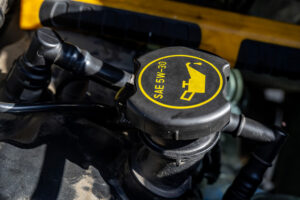




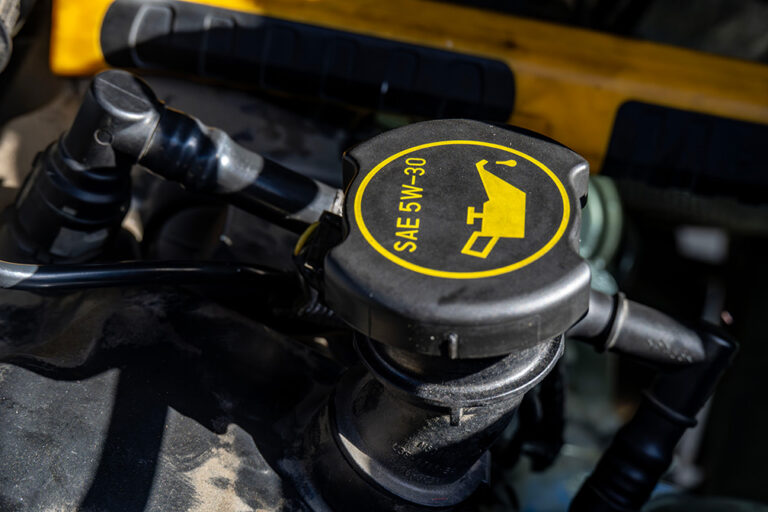
Standards, testing and supply chain safeguards help protect truck engines from counterfeit, outdated or improperly handled oil.
Using high-quality parts to repair a truck is essential to keep it running safely and can prevent future breakdowns. Working with a trusted supplier and examining the packaging and the part or product helps provide assurance that you are getting what you ordered. When you get engine oil in bulk, it’s also important to work with a trusted supplier, but confirming that you have received the brand and viscosity grade you ordered is harder.
The American Petroleum Institute (API), which develops motor oil standards and certifies diesel and gas oils, works to ensure that the proper high-quality oils go into engines.
API 1525A – Bulk Engine Oil Chain of Custody and Quality Documentation has been developed to protect the quality of the oil throughout the supply chain for all parties involved in delivering finished bulk engine oil to those who pour it into engines. This process ultimately protects vehicle repair shops, vehicle dealers, businesses that maintain their own vehicles and equipment, and consumers from the blending of oil to it being poured in an engine.
All parties involved in supplying finished bulk engine oil to shops play a role in protecting the oil’s quality throughout the supply chain: Responsibility for quality starts with the oil manufacturer or marketer and ends with the installer. The blender, the transporter/distributor and the installer who originally ordered the product have a role in ensuring that the quality of the engine oil received matches the quality ordered.
API 1525A describes the requirements incumbent upon each of these roles to ensure engine oil quality is maintained. The bottom line is that you can be assured that the bulk oil you are pouring is the quality and viscosity grade expected when API 1525A requirements are met.
Checking Oil Quality in the Marketplace
API has been testing packaged and bulk engine oils under its Aftermarket Audit Program (AMAP) for many years to monitor and enforce oil standards in the marketplace, testing thousands of samples.
This enables API to accomplish its main objective of monitoring API-licensed oils in the marketplace but also provides the opportunity to scan the marketplace for oils that may falsely claim to be licensed by API and/or display the API Engine Oil Quality Marks (the Donut, Starburst and Shield) without a license to do so.
Obsolete Oil
As the industry prepares for the upcoming API CL-4 engine oil specification, which will be first licensed on Jan. 1, 2027, it is also important to understand the difference between current and obsolete engine oil standards.
API CK-4 is the current diesel engine oil performance category.
Obsolete oils claim to meet an older engine oil performance category that has been technically determined to be obsolete. Categories can become obsolete when the test methods used to verify performance are no longer available. If the production of an engine or the hardware required for a specific performance test is discontinued, the test itself becomes unavailable, and performance categories that specify that test may be deemed technically obsolete.
Obsolete oil products can still be found in the marketplace and shops, and drivers on the road should be careful not to use them, as engine damage could occur.
API strongly recommends following the engine or vehicle manufacturer’s recommendations when choosing an oil. If you have older vehicles or equipment that may have specified an oil with a performance category now designated obsolete, current API performance categories are designed to be backward-compatible with previous categories; however, always check directly with the OEM for specific recommendations. API maintains a list of all current and obsolete engine oil categories in its Motor Oil Guide.
Cracking Down on Counterfeit Oils
When API encounters oils falsely claiming API licensing, they are collected and tested to determine their conformance with the claimed performance level. If a licensed oil does not match the physical and chemical data on file, API will work with the licensee to evaluate all nonconformances and take appropriate corrective action.
For serious cases, such as when products fail to meet the specifications claimed, API requires immediate discontinuation of the use of the API Marks and will exhaust all available options to ensure that the marketer removes their “counterfeit” products from the marketplace.
Protecting engine oil quality requires attention at every point in the supply chain, from the manufacturer and distributor to the shop or fleet that pours the oil into an engine. By following API 1525A bulk oil chain-of-custody practices, purchasing from trusted suppliers and checking API licensing and current performance categories, installers can help ensure they are using the right oil and provide better protection for the engines they service.

Bill O’Ryan is director of the Engine Oil Licensing and Certification System (EOLCS) and Diesel Exhaust Fluid (DEF) Certification Programs at the American Petroleum Institute (API). He has worked in the transportation lubricants industry for over 30 years and joined the American Petroleum Institute (API) in 2022. His background includes additive package development, engine and driveline testing. Bill has oversight responsibility for the Aftermarket Audit Program (AMAP), an annual program in which thousands of engine oil and DEF samples are purchased in the marketplace around the globe and tested to ensure conformance with required specifications.