



Why Toyota, Daimler Truck and Volvo are betting on hydrogen for heavy-duty transport
If you spend your days on the road, you know one thing for sure: Time is money, and downtime kills both.
That’s why this latest move from Toyota Motor Corp., Daimler Truck and Volvo Group is worth paying attention to.
The three companies are teaming up through Cellcentric to push hydrogen-powered trucks forward. Not as a replacement for electric rigs, but as another option for the jobs that are hardest to electrify.
We’re talking long-haul routes, heavy loads and tight delivery windows where stopping for hours to charge just isn’t practical.
So while most headlines focus on electric trucks, this is about something different. It’s about whether hydrogen can actually work out on the highway, not just in a press release.
Sign up for Kurt’s FREE CyberGuy Report
- Get my best tech tips, urgent security alerts and exclusive deals delivered straight to your inbox.
- For simple, real-world ways to spot scams early and stay protected, visit CyberGuy.com, trusted by millions who watch CyberGuy on TV daily.
- Plus, you’ll get instant access to my Ultimate Scam Survival Guide free when you join.
Hydrogen trucks vs battery trucks: two paths, not one
Most people think the future of clean vehicles is all battery-powered. That’s partly true, especially for cars.
Heavy-duty trucking is a different story. Battery-electric trucks work well for shorter routes.
However, long-haul freight brings different challenges. Bigger batteries add weight. Charging takes time. Payload capacity can take a hit.
Hydrogen offers a different trade-off. Fuel-cell trucks can refuel faster and travel longer distances without carrying massive battery packs. That makes them appealing for long-distance shipping, where every minute off the road matters.
That’s exactly why this partnership exists. As Daimler Truck’s leadership has emphasized, hydrogen is meant to complement battery-electric systems, not replace them.
Toyota has been quietly building toward this for decades
This move might feel sudden, but Toyota has been laying the groundwork since the early 1990s.
The company launched the Toyota Mirai in 2014, one of the first mass-produced hydrogen cars. On paper, it looked like a glimpse into the future. In practice, it struggled to catch on. Sales have been limited, and the biggest issue has not been the car itself: It’s the lack of hydrogen refueling infrastructure.
In the U.S., you are mostly limited to California if you want to drive one regularly.
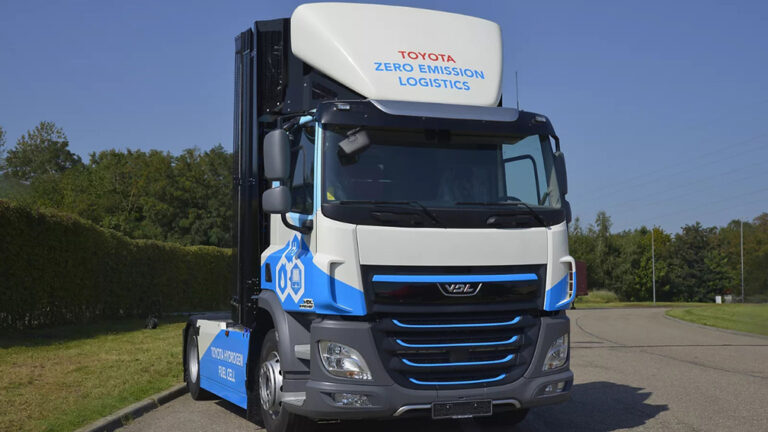
Still, Toyota didn’t walk away. Instead, it expanded into trucks. It tested hydrogen-powered heavy-duty vehicles in Europe, partnered with manufacturers, and integrated fuel-cell systems into commercial platforms. That experience is now feeding directly into this new partnership.
Why teaming up makes sense right now
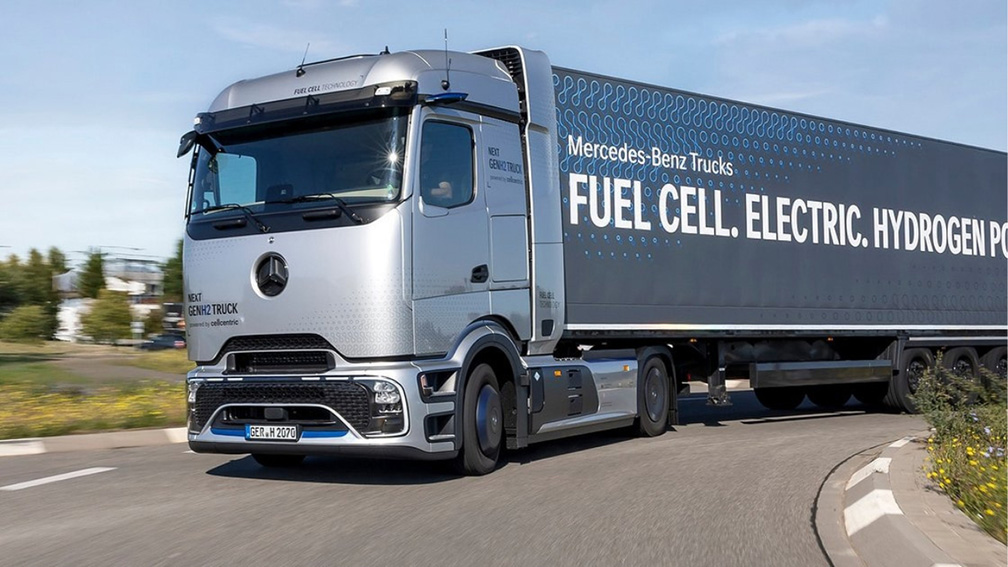
Building hydrogen technology is expensive. Building the infrastructure is even harder. That’s where this alliance comes in. By combining strengths, each company fills a gap.
Toyota brings decades of fuel-cell research and manufacturing experience. Daimler Truck contributes deep knowledge of commercial vehicles and logistics. Volvo Group adds global scale and operational reach. Together, they can share costs, accelerate development and push for infrastructure growth at the same time.
That last piece matters most. Hydrogen only works if there are enough places to refuel. Europe is investing heavily in that network, with plans to expand significantly by 2030. This partnership positions all three companies to benefit if that rollout gains traction.
The bigger picture for EVs and clean tech
This does not mean battery EVs are slowing down. Automakers are still investing heavily in electric cars, better batteries and faster charging networks. Toyota itself continues to expand its EV lineup and production capabilities.
What this partnership shows is a shift in strategy. Instead of betting everything on one approach, companies are spreading their bets across multiple technologies. That increases flexibility and improves the chances of meeting long-term emissions goals.
Hydrogen may not dominate passenger cars. In trucking, though, it has a real opportunity.
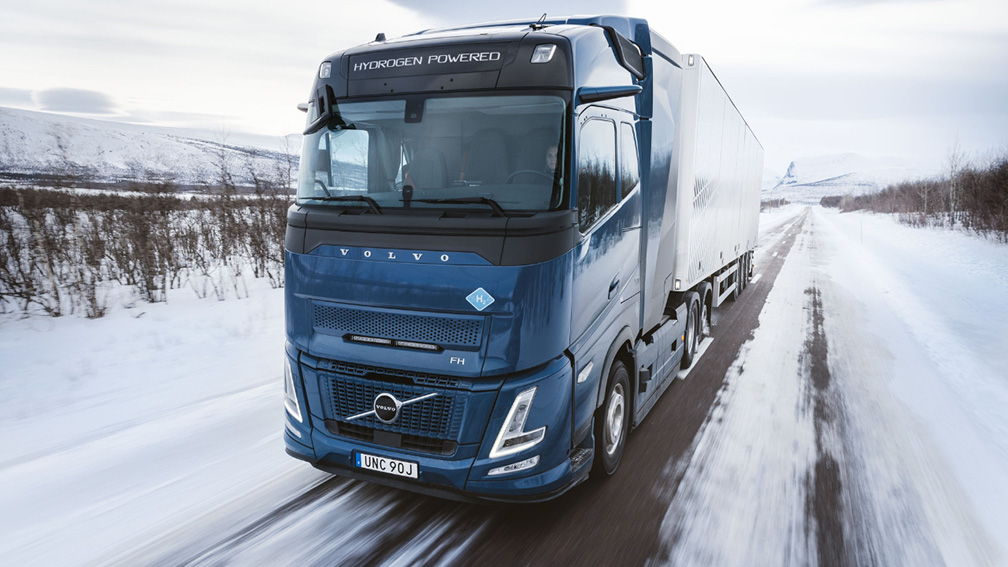
What this means to you
Even if you never plan to drive a hydrogen vehicle, this still affects you.
Freight powers almost everything you buy. From groceries to electronics, trucks move it across long distances every day. If hydrogen helps clean up long-haul trucking, it could reduce emissions in one of the hardest sectors to fix.
It also signals something important about the future of transportation: There won’t be a single solution that works everywhere. Different technologies will serve different needs depending on the job.
Take my quiz: How safe is your online security?
Think your devices and data are truly protected? Take this quick quiz to see where your digital habits stand. From passwords to Wi-Fi settings, you’ll get a personalized breakdown of what you’re doing right — and what needs improvement. Take my Quiz below:
Related Links:
The latest from Kurt the CyberGuy’s Beyond Connected podcast
The newest episode of Kurt the CyberGuy’s Beyond Connected takes a closer look at how everyday tech quietly collects and uses your data. He walks through how your phone, apps and smart home devices build a detailed picture of your life, often in ways most people never realize. You’ll hear how this plays out in real-world situations, why it matters for your privacy and what you can do to take back more control.
Kurt’s key takeaways
This isn’t about picking sides between batteries and hydrogen. It’s about what actually works when you’re hauling weight across hundreds of miles.
Battery trucks make sense in some situations. Short routes, predictable stops, local deliveries.
But long-haul trucking plays by a different set of rules. Hydrogen is being positioned as a way to keep trucks moving with faster refueling and longer range.
The catch is the same one drivers already know: None of it matters without enough places to fuel up. That’s where this partnership could make a difference.
If companies like Toyota, Daimler Truck and Volvo can help build both the trucks and the infrastructure, hydrogen might finally move from testing yards to real routes. For now, it’s a bet. A big one. And if it pays off, it could change how long-haul trucking runs in the years ahead.
So here’s the real question: If hydrogen trucks can match diesel for range and refueling time, would you trust one on your next long haul? Let us know by writing to us at Cyberguy.com/Contact.
For more of Kurt’s tech tips & security alerts, subscribe to the free CyberGuy Report Newsletter by heading to Cyberguy.com/Newsletter.
Copyright 2026 CyberGuy.com. All rights reserved.
Kurt the CyberGuy is an award-winning tech journalist who helps people make smart tech decisions from his contributions to Fox News & FOX Business, beginning mornings on “FOX & Friends.” Stay safe & in the know — at no cost. Subscribe to Kurt’s The CyberGuy Report for free security alerts & tech tips.
Ask Kurt a question or let us know what stories you’d like us to cover.
Follow Kurt on his social channels:
Facebook • YouTube • Instagram • TikTok

Kurt Knutsson — best known as “Kurt the CyberGuy” — has a deep love of technology that makes life better. Because of this, along with a passion for helping others, he created the largest syndicated tech lifestyle franchise on television. As a trusted source, Kurt’s unique insider access to major tech launches and industry visionaries has helped earn him two Emmy Awards and a Golden Mic.
Kurt lives between his home in California and New York City, where he is also the chief tech contributor on Fox News & Fox Business networks beginning his mornings on Fox & Friends.
Kurt’s a curious guy. Like many entrepreneurs in life, he wears several hats like running a private investment fund, giving inspirational talks, mentoring start-ups and traveling the world chasing down the next breakthrough.