




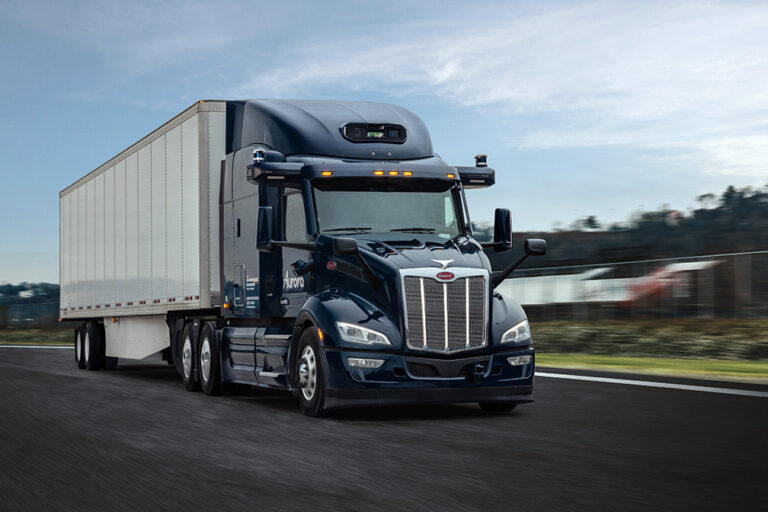
A growing number of companies have autonomous vehicles (AVs) on the road these days — namely 145 million robotaxis, zero-occupancy vehicles and long-haul trucks.
Many Americans are hesitant to embrace AV technology, largely because it’s new and unfamiliar. Of course, the emergence of this new technology carries both benefits and risks to the owners, operators and passengers. Yet as we become more comfortable with driverless vehicles, AVs are uniquely positioned not only to solve some serious industry challenges, but also to decrease fleet risk and reduce business costs.
The Appeal of AVs
People all over the world rely on the trucking industry to move products from one place to another. Yet despite the world’s need for new products, the trucking industry is struggling. Between significant driver shortages and rising operating costs for labor, fuel and for insurance premiums, AVs could be exactly what’s needed at this moment.
AVs offer a compelling alternative. By reducing reliance on human drivers in certain routes or conditions, AVs have the potential to lower accident frequency tied to driver error, improve consistency in vehicle operation and reduce labor-related costs over time.
These improvements could significantly reduce the cost of risk per mile, particularly for highway driving, where conditions are more predictable and automation is most successful.
Barriers to AV Adoption
As with any new technology, there are risks associated with early adoption. Some of these risks include:
Public perception:
The public is largely skeptical about AVs. Any incident is likely to attract attention, even if it’s a small one.
Unpredictable environments:
AVs must safely interact with human drivers, pedestrians and ever-changing road conditions wherever they travel.
Uncertain regulatory landscape:
Laws and regulations vary by location and may change quickly, requiring ongoing monitoring and compliance.
Evolving insurance policies:
Coverage for AVs is new and changing. With partner-vendors requiring coverage as well, the parameters are still uncertain and gaps remain.
6 Steps to Adopting an AV Solution
As your fleet considers engaging AVs in your organization, you’ll need buy-in from multiple stakeholders along the way. And it’ll be critical to take a measured, strategic approach. Follow these six steps to be sure you understand the risks:
1. Determine where AVs fit in your organization.
Automation isn’t always appropriate. Consider your routes and focus on those that are predictable and repeatable — such as highways between distribution centers — where they can make a difference.
2. Use data to guide decisions.
Use existing telematics to predict how AV adoption will benefit your organization and potentially affect future losses. The information can help quantify return on investment and determine where these vehicles can minimize fleet risk.
3. Follow all regulations, even as they evolve.
New technologies develop faster than the legislation that regulates them. Develop a relationship with an expert advisor who can keep up with changing requirements across different jurisdictions and guide usage.
4. Create solid contracts with vendors.
Make clear arrangements with the vendors responsible for the components. Consult with your risk advisor or broker to be sure contracts appropriately address liability, performance expectations and product defects.
5. Provide support for workforce transition.
Despite the concerns, AV fleets can actually create jobs, even if those jobs are different. Trucking companies that can help their drivers transition into new roles — including remote operators or technicians — can not only strengthen their organization but also better support their employees.
6. Reconsider your insurance strategy.
Although there isn’t a standard insurance program for AV fleets, an expert broker specializing in the transportation industry and in AVs will understand the challenges and be able to advise you on the best policies to manage your risk — including both traditional exposures and emerging risks.
Adopting AVs isn’t a quick fix, but it does offer fleets an opportunity to operate more efficiently and safely. True success in this area will come from thoughtful implementation guided by knowledgeable advisors working for your organization’s benefit.

Dan Wilhelm, CIC, is the transportation practice leader for global insurance brokerage Hub International. He has more than 25 years of insurance experience, and a strong entrepreneurial background. He specializes in complex risk for all lines of coverage for middle market and large accounts related to automobile, construction, manufacturing, food processing, distribution and transportation. He is licensed in property and casualty as well as life and health. Dan helps develop cost-effective and comprehensive insurance programs for all areas of coverage.