



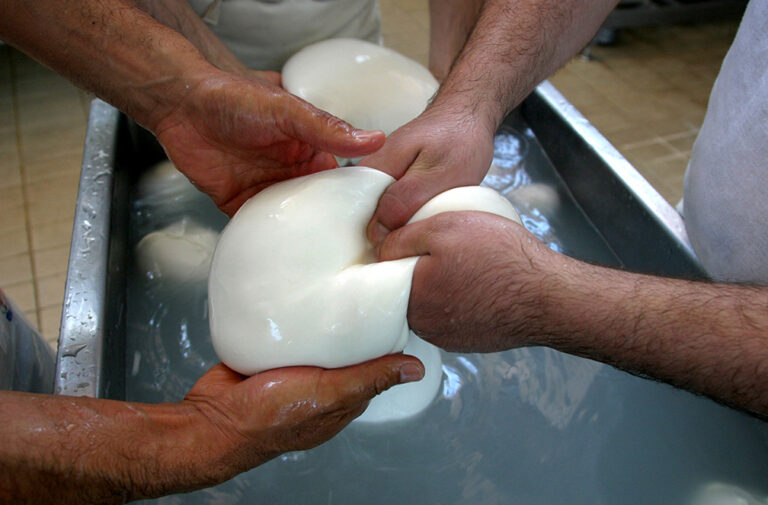
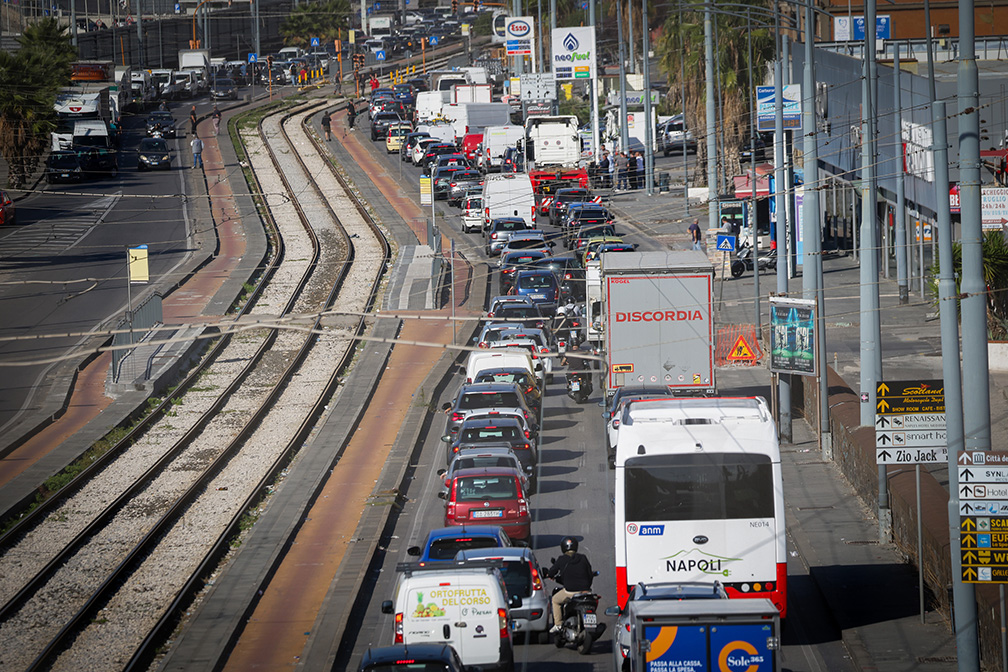
ROME (AP) — A truckers’ protest in southern Italy has halted the production of the famed buffalo mozzarella, causing an estimated loss of 3 million euros in just 24 hours as the milk cannot reach dairies in the Naples region and the finished cheese cannot reach customers, an official said.
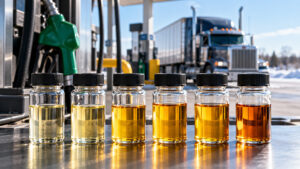
The weeklong strike by truck drivers over the high cost of diesel driven up by the Iran war has also blocked deliveries of other basic goods to supermarkets and left gas pumps empty in much of southern Italy. The government approved new tax breaks for truckers Thursday (Oct. 22), but it was too early to tell whether they were enough to end the protest.
The disruption is particularly damaging to buffalo mozzarella because the production of the protected cheese depends on a tightly timed supply chain.
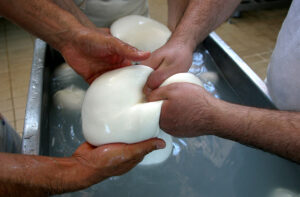
Buffaloes have to be milked regardless of whether dairies are operating, while production rules require that their milk be turned into mozzarella within 60 hours. Buffalo mozzarella is softer, creamier and richer than cow’s-milk mozzarella.
Pier Maria Saccani, director of the Consortium for the Protection of Mozzarella di Bufala Campana DOP, said that about 1 million liters of buffalo milk produced on Wednesday couldn’t be turned into mozzarella because of the transport blockade. The consortium oversees production standards and protects the designation of origin of the cheese in Italy and abroad.
“Yesterday, no mozzarella was produced,” Saccani said, explaining it was a “3 million-euro block in 24 hours” — a loss of about 3.4 million dollars.
Farmers typically have only enough capacity to hold the fresh milk until dairy trucks collect it and cannot store large quantities for extended periods.
“So this blockade has obviously caused panic among farmers, who say, ‘Where are we going to put it?’” Saccani added.
The dairies making mozzarella cannot afford to accumulate a highly perishable product if trucks are unable to deliver it to customers.
Several dairies have remained closed as a result, Saccani said, describing the situation as a “complete production blockade.”
Unlike false claims this summer that production of Parmigiano Reggiano cheese was in crisis due to extreme heat, buffalo mozzarella output is indeed in jeopardy.
During an extraordinary Cabinet meeting on Thursday, the Italian government led by Premier Giorgia Meloni approved new measures to help truckers and farmers face higher fuel costs, bringing financial aid to those two groups to a combined 540 million euros in tax credits, up from 434 million euros.
Some farmers have resorted to feeding part of the unused milk to their animals because they have nowhere to send it, Saccani said, adding that the transport disruption is also threatening supplies of animal feed and diesel needed to keep farms operating.
“It’s a very, very complex and delicate situation,” he said.
The blockade comes as milk producers and dairies are already confronting higher costs. Saccani said the consortium estimates production costs have risen about 30%, driven by increases in animal feed, diesel, energy, plastic packaging and transportation.
The increases have not been fully passed on to customers, he said, leaving producers to absorb much of the additional expense and cutting into profitability across the supply chain.
Buffalo mozzarella is an important industry in the Campania region, where the city of Naples is located, and in neighboring areas of southern Italy.
Saccani said that in 2025, the production of Mozzarella di Bufala Campana DOP totaled just under 58,000 metric tons, with about 37% of production exported. France is its largest foreign market.
By Giada Zampano, The Associated Press

The Associated Press is an independent global news organization dedicated to factual reporting. Founded in 1846, AP today remains the most trusted source of fast, accurate, unbiased news in all formats and the essential provider of the technology and services vital to the news business. The Trucker Media Group is subscriber of The Associated Press has been granted the license to use this content on TheTrucker.com and The Trucker newspaper in accordance with its Content License Agreement with The Associated Press.