




The world is green again and winter dreariness is long gone. While the days and nights are generally pleasant this time of year, you can be certain summer heat is on the way!
The hottest months of the year — July and August, and even June and September in parts of the U.S. — present unique challenges for professional drivers. It’s best to be prepared to withstand the heat, along with other seasonal challenges.
One challenge is the traffic seen on roadways.
Summertime means school is out in most jurisdictions. Families will be traveling, and some of them will be driving or towing recreational vehicles. As truckers often complain, some amateurs aren’t skilled at operating larger vehicles, and they often make mistakes.
Even when passenger vehicles aren’t larger than normal, families that are headed for vacation spots may be easily distracted and not paying attention to surrounding traffic.
As an added bonus (insert tongue in cheek here), inexperienced drivers — namely teenagers with their first driver’s license — may be out and about, testing their newfound skills on the highways. It’s best to be aware so that you can anticipate potential hazards and stay clear of these summer traffic situations.
There will be more motorcycles and bicycles on the road, too.
Many motorcyclists are safe drivers, but motorcycles can be more difficult to see than larger automobiles. Look twice, and practice a continual eye scan to look for them.
Bicyclists also enjoy riding in summer and may be out in large groups. Races and recreational rides are often staged on major highways, and casual riders could be anywhere at almost any time.
Summertime is kids’ time.
Children may be out playing — usually in residential or rural areas, but sometimes in industrial neighborhoods as well — and they could run into the street. Some youngsters may be riding bicycles, skateboards or other devices and not be giving their full attention to traffic. Watch out for them.
Summer is also construction season.
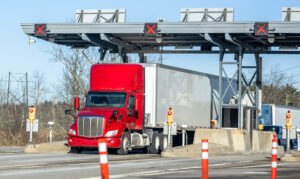
Anticipate road construction. If you can’t avoid it, be especially careful when orange warning signs and barrels appear. Obey posted speed limits, and anticipate that other drivers may be confused or make poor driving decisions.
It’s important to watch out for your own safety and comfort.
Driver amenities like air conditioning and tinted windows make summer driving more comfortable, but drivers still need to prepare for the weather.
Bright sunshine and glare are tough on the eyes, and they contribute to fatigue. Every driver needs a pair of quality sunglasses. A hat with a visor can be helpful, too. Keeping your windows and mirrors clean can help reduce glare and eye-strain.
Air conditioning dries the air as it cools.
You probably won’t notice this, but that blessed air conditioning that keeps you comfortable is also removing moisture from the air in your truck — as well as from your body. You’re breathing dry air, and every breath you exhale contains water vapor you won’t get back.
It’s important to stay hydrated in hot weather, even if you’re indoors with air conditioning. Sodas and drinks containing caffeine, including coffee, tea and popular energy drinks, can contribute to dehydration.
Water is the healthiest option. Keep some handy, even if it isn’t your preferred drink, just in case.
Summer can create hazardous driving conditions, too.
The sun’s heat can partially melt tars that hold asphalt together, softening the road surface. In severe cases, expanding materials in the road surface can buckle, causing a dangerous situation.
Summer showers can occur suddenly and cause oils and tars on the road surface to float on top of rainwater, resulting in loss of traction. The first moments of a rainstorm can be treacherous if you aren’t prepared.
On the flip side, when it doesn’t rain, drought can result in blowing dust and dirt. You’re more likely to encounter wildfires in summertime heat as well. Smoke can obscure roadways and cause vision problems.
Summer heat can be tough on vehicles.
Engine fluids, like oil and coolant, take on increasingly critical tasks as the weather warms. One function of engine oil is to carry away the heat resulting from combustion and friction, so make sure your oil is topped off. Coolant absorbs engine heat and disperses it into the air through the radiator. In modern vehicles, both fluids are monitored by sensors, and low levels could lead to an engine shut down.
Even when filled to the correct levels, however, a radiator that is blocked or clogged with dirt, leaves or other debris can’t operate as efficiently. Check the radiator surface periodically and clean it with water or compressed air when necessary.
Windshield washer fluid helps reduce glare by keeping windshields clean, but it can’t work when wiper blades are old and worn. Make sure your wipers are in good condition and your fluids are filled.
Your pre-trip inspection should include a check of belts and hoses, both of which can suffer during hot weather. Frames and suspensions take a beating from potholes and other hazards, so check them, too.
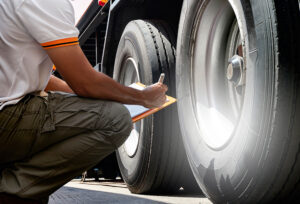
Tires are always an important part of every pre-trip inspection.
Friction from rolling against the pavement can build up quickly in any season, but the sun beating down on road surfaces can exacerbate the problem in summer.
Underinflated tires heat up even faster. In tandem operation, when a tire is underinflated, the adjoining tire ends up supporting more weight, causing it to heat up as well. Maintaining proper tire inflation in all tires is the way to go in any season — but especially in summer.
Tires need to be checked more frequently in hot weather.
Heat can cause tire failure, but it often results in signs that are clearly visible.
Tires that are missing chunks of tread or have sidewall cuts or blisters are bound to fail eventually. It’s important to give them a thorough going over during a daily inspection, but that’s not enough.
Tires need to be checked throughout the day, too. It’s easy to incorporate a quick, walkaround inspection during, for example, a brief restroom stop. When you exit the cab, observe the tires on one side of the vehicle as you pass. On the way back, check the other side. In the meantime, you can look underneath the truck for leaks or smoke, and you can listen for leaking air.
Such checks don’t take the place of a thorough pre-trip inspection, but they can help you identify problems early and get them fixed before they strand you on the side of the road.
Summer is a time to enjoy the warm weather and sunshine — but professional truck drivers must also be mindful of the unique hazards the season can bring.

Cliff Abbott is an experienced commercial vehicle driver and owner-operator who still holds a CDL in his home state of Alabama. In nearly 40 years in trucking, he’s been an instructor and trainer and has managed safety and recruiting operations for several carriers. Having never lost his love of the road, Cliff has written a book and hundreds of songs and has been writing for The Trucker for more than a decade.