




In the fast-paced world of over-the-road (OTR) trucking, many drivers rely on convenience foods to get through the day, whether they’re microwaveable meals or ultra-processed snacks from the fuel stop.
While these foods may save time, they often lack vital nutrients like vitamins, minerals and fiber. At the same time, they tend to be calorie-dense and packed with salt, saturated fat and sugar.
What we gain in speed, we may lose in long-term health.
We often compare the human body metaphorically to a truck; it requires fuel and regular maintenance to function at its best. But in truth, the body is more like an entire fleet. Each “vehicle,” or system, has its own unique needs. If just one breaks down, the whole operation can be thrown off.
As drivers, you know what happens when routine maintenance is skipped for your truck.
Your body is no different. It needs regular intake of vitamins, fluids, fiber, protein and healthy fats to run efficiently.
Unfortunately, many convenience foods have lost much of their nutritional value during the manufacturing process. Worse, they often deliver an overload of calories, especially from sugar.
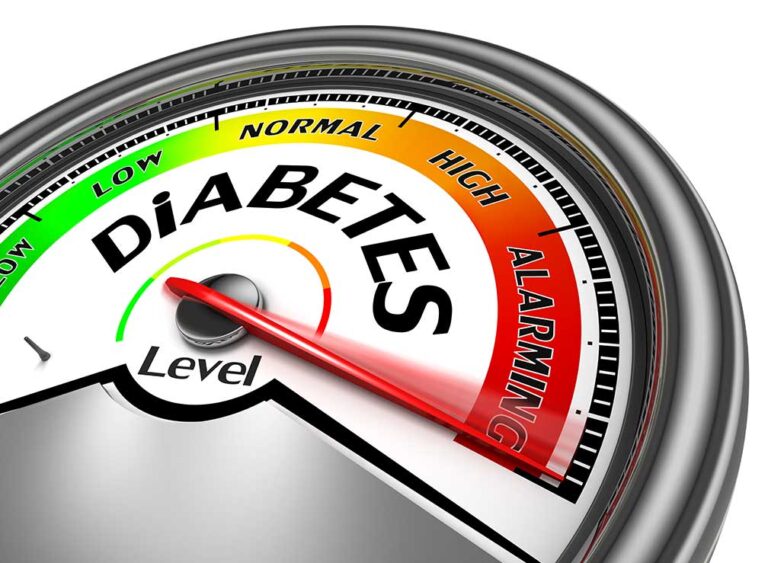
Truck drivers are at high risk for pre-diabetes.
Each time we consume a sugary food or beverage, we see a spike in blood sugar within 15 minutes.
When presented with an occasional small spike, it’s no big deal. Our bodies have mechanisms in place to transport the sugar to cells throughout the body to be used for energy or stored for later use.
However, frequent spikes in blood sugar can cause these systems to become worn out. The pancreas can become overworked and unable to produce enough insulin to transport the sugar, or the receiving cells may no longer be able to use the sugar effectively.
Regardless of which system is affected, the result is a gradual increase in average blood sugar — and potentially the development of pre-diabetes.
While many know the possible risks of consuming processed foods, especially in combination with a sedentary profession, it may come as a surprise to hear that 1 in 3 adults in the United States is prediabetic. Even more concerning is that 80% don’t know that their blood sugar is already outside normal ranges.
Frequently, the early stages of elevated blood sugar come with no symptoms. Pre-diabetes may even be present for years without warning before advancing to type 2 diabetes. Chronically elevated blood sugar levels can lead to inflammation in the body, which can cause kidney disease, poor circulation, difficulty healing from injuries, nerve damage and much more.
A new partnership between SCF and HabitNu can help.
The St. Christopher Truckers Relief Fund (SCF) is excited to announce a new program — completely free to Class A OTR drivers. Through a partnership with HabitNu, a CDC-recognized Diabetes Prevention Program provider, SCF now offers a virtual year-long program built specifically for life on the road.
Drivers will have access to a certified Lifestyle Coach, health tracking devices for use at home or on the road, and convenient tracking tools and learning modules via app, as well as weekly classes tailored to the unique health challenges of being an OTR driver.
The goal of HabitNu is to build gradual lifestyle changes to prevent the onset of type 2 diabetes. With access to a certified Lifestyle Coach and a group of OTR drivers who are working toward similar goals, the support, encouragement — accountability are now even more convenient than those processed foods. SCF wants to help you stop pre-diabetes in its tracks.
To qualify for the HabitNu program through SCF, an individual must be a Class A OTR driver, have a BMI of 25 or greater and meet the criteria for being pre-diabetic by either having an A1c between 5.7-6.4% or a fasting glucose between 100-125 mg/dL.
Pre-diabetes doesn’t have to lead to diabetes. With the right support, small changes can make a big difference. If you are ready to take control of your health and continue running for the long haul, the SCF HabitNu program is here to help.
To learn more about the HabitNu program or to register, visit truckersfund.org/habitnu.

As the health and wellness manager for the St. Christopher Truckers Relief Fund, Lindsey Bryan has a passion for helping drivers manage their health. While she has always had a heart for helping others, she found her passion in health coaching while on her own health journey after being diagnosed with an autoimmune disorder and learning the impact that nutrition and exercise can make in the management of chronic health conditions.
Lindsey graduated from Brenau University with a Bachelor of Science degree in psychology. She’s spent the past decade working in various health and wellness fields including addiction counseling, social work, inpatient psychiatric rehabilitation and nutrition counseling.
Outside of work, Lindsey is an avid gardener and loves to hike the mountains of East Tennessee. When the weather doesn’t allow for outdoor adventures, you can find her crafting, baking and spending time with her husband, son and their dogs.