



CHARLESTON, S.C. — CMC and WorkforceLinc the workforce development division of Lincoln Educational Services Corporation are expanding their intermodal technician training program to the Port of Baltimore.
“This expansion reflects our commitment to the technicians who power our operations every day, and our confidence that investing in best-in-class training is what gives us a real edge in the marketplace and allows us to deliver the level of service our customers deserve,” said Michael Wojnowski, senior vice president, South Region, CMC. “Through our partnership with Lincoln Tech’s WorkforceLinc, we provide structured, hands-on training in the real-world environment of our facilities. Based on our proprietary curriculum, this professional-level training program helps our technicians continuously enhance their skills and maintain the high standards of safety, quality, and performance that define the company.”
Program Details
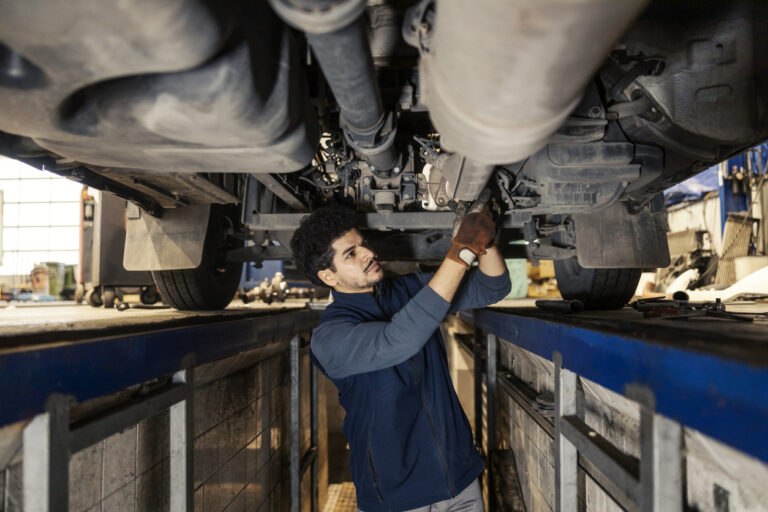
Designed exclusively for CMC technicians, this program focuses on intermodal equipment maintenance and is built around a CMC’s proprietary curriculum, which goes beyond industry standards to reflect the company’s rigorous expectations for safety, quality, and technical proficiency. CMC partners with Lincoln Tech to leverage its proven teaching methodologies and training expertise, helping CMC technicians build the depth of knowledge and hands-on readiness needed to perform at their best in the field, according to a joint press release.
“Since 2024, Lincoln has been proud to support CMC and play a role in increasing the number of skilled, trained technicians working in the vital container maintenance industry,” says Scott Shaw, Lincoln Tech’s president and CEO. “Shipping containers are key to transporting millions of dollars in goods and consumer products around the world every day, and the world needs expertly trained individuals to keep them in top working order. CMC is a leader in that field and Baltimore is of course a key global shipping hub, and we’re excited to expand Lincoln’s collaboration with their organization.”
A New Phase
CMC currently partners with WorkforceLinc in Savannah, Ga, Charleston, S.C. and Wilmington, N.C. The expansion into Baltimore represents the next phase of this collaboration, extending a consistent, hands-on training model to additional locations.
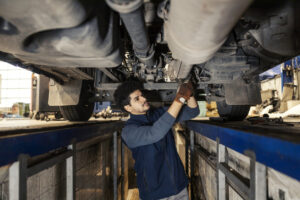
Training is delivered at CMC facilities located on or near port operations using a performance-based approach that emphasizes hands-on application, instructor-led facilitation, and job-aligned skill validation. By training within the operating environment, technicians work with the same equipment and conditions they encounter daily, supporting consistency across regions while remaining aligned with the demands of intermodal equipment maintenance.
Core Training Areas
Core areas of training include intermodal chassis mechanic instruction, which focuses on inspection, maintenance and repair of critical chassis systems, as well as container structural repair for both dry and refrigerated containers. These structural repair courses emphasize welding techniques and industry-standard repair practices. CMC and WorkforceLinc have also established a dedicated welding training program at CMC facility in Wilmington, centered on SMAW and GMAW welding techniques performed in multiple positions aligned to real-world repair applications. The program continues year-round, reinforcing welding proficiency for container and structural repair.
Industry representatives also highlighted the importance of continued workforce investment across port operations.
Since launching the program in 2024, CMC and WorkforceLinc have trained more than 90 CMC technicians across multiple port locations. The expansion into Baltimore is expected to further increase access to training and support continued workforce development across key logistics hubs.
“As port and intermodal operations continue to evolve, the need for skilled maintenance technicians remains critical,” the release said. “Through this partnership, CMC and WorkforceLinc are working together to deliver scalable, standardized training aligned with operational needs while supporting the long-term development of the workforce.”

Dana Guthrie is an award-winning journalist who has been featured in multiple newspapers, books and magazines across the globe. She is currently based in the Atlanta, Georgia, area.