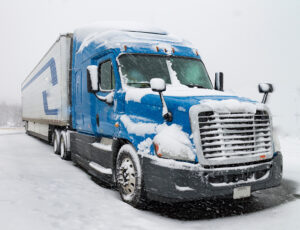




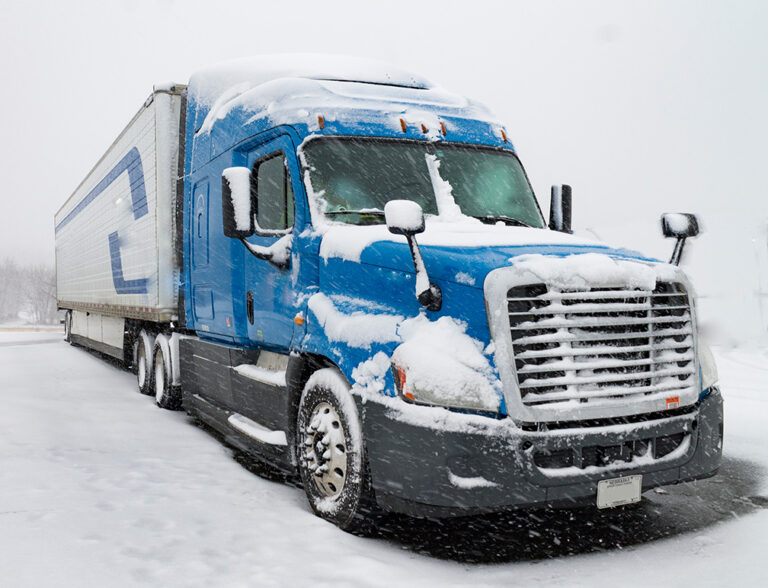
Halloween is just around the corner, but winter weather isn’t waiting for the calendar to catch up. Snow and ice are already making appearances in parts of North America. Today’s trucks are more comfortable and dependable than ever, making it easy to overlook some basic cold-weather preparations.
Savvy drivers prepare for the worst weather before they find themselves driving in it.
Expect the unexpected
How far north or south you’re traveling can make a big difference in the winter weather you encounter. For example, drivers expect to encounter snow and ice in northern Minnesota in January — but a snowstorm in southern Mississippi is a rare surprise any time of year.
In certain areas, however, winter weather isn’t as predictable. Warm, sunny days can be followed by nights that are cold enough to freeze standing water. Rain can quickly shift to freezing rain, sleet or snow. It’s best to be prepared.
Altitude can precipitate a large weather difference, too. Higher elevations can be colder and more exposed to the wind. Drivers can be surprised when rain in the valley becomes ice and snow in the mountain pass. Some states have chain laws on the books, usually mountainous states that are familiar with altitude-related weather changes. Make sure you have chains aboard when running these states.
Give your truck a winter checkup
To prepare your vehicle for winter, a thorough inspection is necessary. When the weather is at its worst, towing and repair services are at their busiest. A breakdown could mean hours waiting for a service call in a truck that won’t start or produce heat.
Start with tires and wheels
Pay special attention to your tires and wheels. Check them for tread depth and replace any that don’t have enough remaining tread to provide traction when the roads aren’t clear and dry. Check for damage, especially to sidewalls. Make sure lug nuts are tight and secure. Rust trails on rims can indicate looseness.
Take a look under the hood
Under the hood, give belts and hoses a thorough going-over. Hoses should be pliable, not hard and brittle. Belts may have check cracks but should not be missing chunks or fraying. Replace anything that looks suspicious. At the same time, give electrical connections a look. Exposed wires or connectors can corrode, eventually failing. Look for corrosion and check for loose connections. Repair as necessary. Keep an eye out for fluid leaks, especially around diesel injectors and lines.
Top off — and stock up
It’s always a good idea to make sure fluids are topped off, but it’s especially important in winter. Modern vehicles are equipped with sensors that can prompt a shutdown to prevent damage to the engine. It’s also a great time to stock up on fluids. Sitting on a winter roadside in a cold truck for want of a gallon of antifreeze is a high price to pay for being unprepared. At the very least, keep a supply of engine oil, coolant, fuel treatment and windshield fluid.
Don’t let your fuel leave you stranded
The fuel delivery systems in modern diesel-powered trucks help warm fuel and prevent gelling. However, during severe cold or after extended periods with the engine shut down, the paraffin wax in diesel fuel can begin to solidify. These wax crystals can clog fuel filters and restrict fuel flow, potentially leaving a truck unable to start or run.
Fuel retailers typically begin selling winter-blend diesel as temperatures drop. These blends may contain additives that help prevent gelling. However, some retailers may still have older stocks of untreated fuel or may be located in areas where winter weather isn’t usually a concern.
It’s important to carry a spare fuel filter or two and whatever tool is necessary to change it, along with a gallon or two of emergency fuel supplement. While many drivers rely on maintenance facilities to change fuel filters, a non-running truck on the side of the road can be very uncomfortable and even dangerous while you wait for a service call. Know how to change fuel filters and have supplies on hand.
Keep your view clear
Salt and chemicals applied to roads can help melt ice and snow, improving driving conditions. That melted ice, however, becomes water that’s churned into the air as road spray, bringing dissolved salts and chemicals along for the ride. As the spray dries, it can leave residue on windshields, windows and mirrors, reducing visibility and increasing glare.
Carry plenty of windshield washer fluid, and don’t go cheap. Make sure you’re getting quality fluid rated for temperatures of minus 20 degrees or colder. Fluid that isn’t rated for the conditions can freeze in washer lines, plugging them up at the worst possible time.
Keep window cleaner and rags or paper towels handy for cleaning windows, mirrors and lights. Heated mirrors can dry road spray even faster, leaving residue behind. A small squeegee works well for a quick swipe to clean a mirror.
Modern LED lights don’t give off as much heat as their incandescent predecessors, making it easier for snow and ice to accumulate. Check lights regularly for buildup, and clean off road spray as necessary.
Prepare yourself, too
It’s a good idea to be prepared to protect yourself from cold weather, too. A warm hat, jacket and gloves should be part of your winter preparations, even if you don’t usually wear them. A sturdy pair of warm boots is a smart precaution, too. Every year brings stories of drivers who are stranded for days on a snow-covered highway, and you never know when you might need to be outside in the cold to work on your truck.
Dehydration is an issue in winter, too. The dry, heated air in the cab can absorb moisture from the body. It’s a good idea to keep a few bottles of water handy, just in case. A few protein bars or, at a minimum, candy bars, make a decent supply of emergency food.
Sunglasses are a must all year around, but especially in winter. Snow-covered fields reflect sunlight, causing glare and eye fatigue. Residue built up on glass surfaces increases glare and makes it more difficult to see hazards. Quality sunglasses with polarized lenses make it easier to deal with such conditions.
Unless your driving job keeps you in the deep South, winter weather is an inevitable part of your career. Reviewing winter driving techniques and preparing both yourself and your vehicle helps you get through the inclement periods and home again … safely.

Cliff Abbott is an experienced commercial vehicle driver and owner-operator who still holds a CDL in his home state of Alabama. In nearly 40 years in trucking, he’s been an instructor and trainer and has managed safety and recruiting operations for several carriers. Having never lost his love of the road, Cliff has written a book and hundreds of songs and has been writing for The Trucker for more than a decade.