



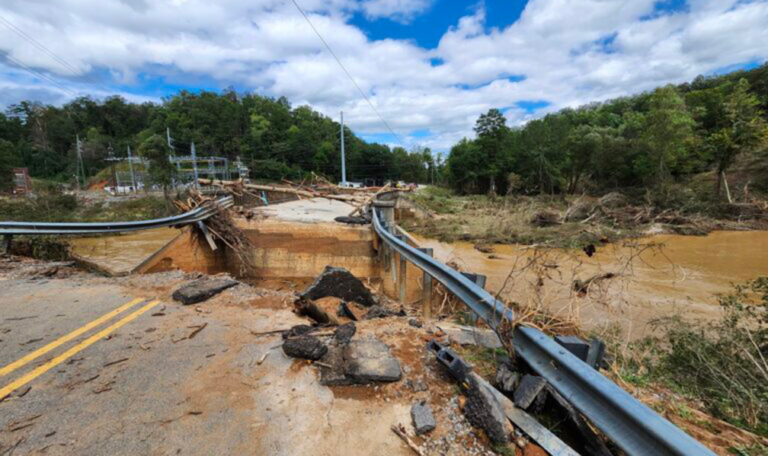
WASHINGTON, D.C. — From hurricane-ravaged mountain highways to bridges washed out by flooding, communities across the United States are continuing to rebuild transportation infrastructure damaged by natural disasters.
To help speed those repairs, the U.S. Department of Transportation (USDOT) announced Monday, Oct. 19, that more than $1.6 billion in emergency relief funding is being allocated to restore damaged roads, bridges and other transportation infrastructure.
The funding will support recovery efforts in 34 states, the District of Columbia, Puerto Rico, the U.S. Virgin Islands, Guam and the Northern Mariana Islands.
“USDOT is working diligently to deliver dollars needed to rebuild critical transportation and infrastructure links across American communities impacted by catastrophic natural disasters,” said U.S. Transportation Secretary Sean P. Duffy. “Safe roads and bridges means rescue services arrive faster, medical professionals can reach those in need, and families can get the resources they need to recover.”
North Carolina: $873 million
Funding will support continued repairs following Hurricane Helene, which caused extensive damage across western North Carolina in September 2024. The storm resulted in more than 9,000 damage sites and over 1,400 road closures.
Hawaii: $81 million
Funding will address transportation infrastructure damaged by a series of Kona Low storms in March 2026 that brought severe flooding to the islands.
Texas: $52 million
Funding will support repairs following heavy rainfall and flooding that washed out multiple bridges, including the FM 1431 bridge connecting Lago Vista and Marble Falls.
Emergency funding supports recovery
The Federal Highway Administration (FHWA) administers the Emergency Relief Program, which provides federal assistance for repairing eligible highways, bridges and other transportation infrastructure damaged by natural disasters and catastrophic events.
Eligible events can include hurricanes, flooding, landslides, wildfires and other severe weather.
“The Federal Highway Administration’s work with states along with local, tribal, and federal agencies in the aftermath of disaster is essential to restoring broken transportation links,” said FHWA Administrator Sean McMaster.
“We provide the necessary funding to restore mobility and help people regain a sense of normalcy in their daily lives following disruption,” he continued.
Additional information about the program, including FHWA’s published emergency relief allocations, is available on the agency’s website.

Linda Garner-Bunch has been with The Trucker since 2020, picking up the reins as managing editor in 2022. Linda has nearly 40 years of experience in the publishing industry, covering topics from the trucking and automotive industry to employment, real estate, home decor, crafts, cooking, weddings, high school sports — you name it, she’s written about it. She is also an experienced photographer, designer and copy editor who has a heartfelt love for the trucking industry, from the driver’s seat to the C-suite.