



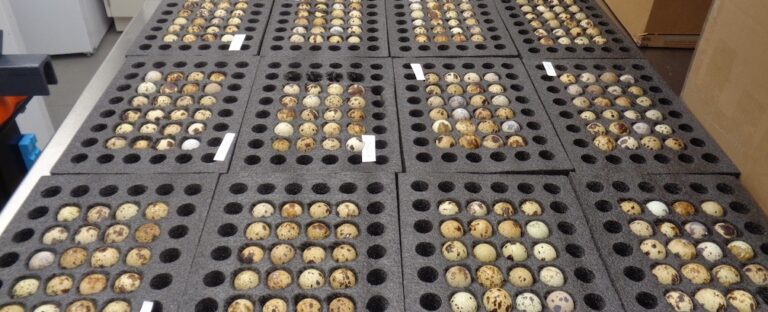
CINCINNATI, Ohio — A shipment of illegal eggs was intercepted by the U.S. Customs and Border Protection (CBP) agriculture specialists at Cincinnati’s Port of Entry. Agents inspected and seized a shipment arriving from Germany containing 337 hatching eggs placed in foam layers on May 27, according to a new release from the CBP.
CBP said the shipment, headed for Alaska, was manifested as winter jackets.
Agriculture specialists detained the shipment for further scrutiny.
Further inspection found hatching eggs, and did not find proper documentation.
“The U.S. Department of Agriculture does not allow the importation of hatching eggs from countries positive for highly pathogenic avian influenza,” CBP’s release stated. “The eggs were turned over to the local USDA Animal and Plant Health Inspection Service.”
“Our nation’s food supply is constantly at risk from diseases not known to occur in the United States,” said Port Director Eric Zizelman, Port of Cincinnati. “These interceptions highlight the vigilance and dedication our CBP agriculture specialists demonstrate daily. Our specialists mitigate the threat of non-native pests, diseases, and contaminants entering the United States. They ensure the United States is safe from harmful diseases that could affect our food supply.”
Hatching eggs include all avian species, including poultry, game birds, racing pigeons, and other birds.
“If there is a market for a live bird, there is potential for someone attempting to import hatching eggs,” CBP said. “These live eggs are shipped to the United States for hatching or reproductive purposes. Upon arrival, the eggs would be incubated, hatched, and raised. For agricultural purposes, hatching eggs fall under regulations for live animals and are highly regulated because they can carry Newcastle disease and avian influenza.”

Bruce Guthrie is an award-winning journalist who has lived in three states including Arkansas, Missouri and Georgia. During his nearly 20-year career, Bruce has served as managing editor and sports editor for numerous publications. He and his wife, Dana, who is also a journalist, are based in Carrollton, Georgia.