





A replacement device can share more data than you realize. Check these privacy and security settings before using it on the road.
When you’re hauling freight cross-country, replacing a broken or lost phone or tablet can already be a major headache. The last thing you need is a new device quietly sharing your location, connecting with nearby devices or giving apps access to information they do not need.
Phones and tablets can come with settings designed to make setup fast and convenient, but some of those defaults can expose more information than you may realize. That becomes especially important when you rely on the same device for navigation, email, banking, communication and other tasks while you’re on the road.
Before you sign into all your accounts and get back to work, spend a few minutes checking the device’s security and privacy settings. Here’s what to lock down first.
💰Free live CyberGuy class: Protect Your Money From Today’s Biggest Threats
Join us this Saturday, August 29, at 10 AM ET for a free CyberGuy LIVE class covering five simple steps to help defend yourself against AI scams, fraud, identity theft and financial hacks. Kurt “CyberGuy” Knutsson will explain how to set up bank alerts, strengthen your account logins, protect your phone number, freeze your credit, and help secure your retirement savings against unauthorized transfers. No technical experience is needed. You’ll also receive our financial protection checklist, and every registrant will get a link to the class recording afterward.
Why devices aren’t safe enough right out of the box
When a new gadget arrives in your hands, it isn’t a blank slate. It comes loaded with factory settings designed for convenience instead of protection. Manufacturers want the unboxing experience to feel effortless, so they turn on features, like automatic connections, data sharing and remote access, which make setup easy but leave you exposed.
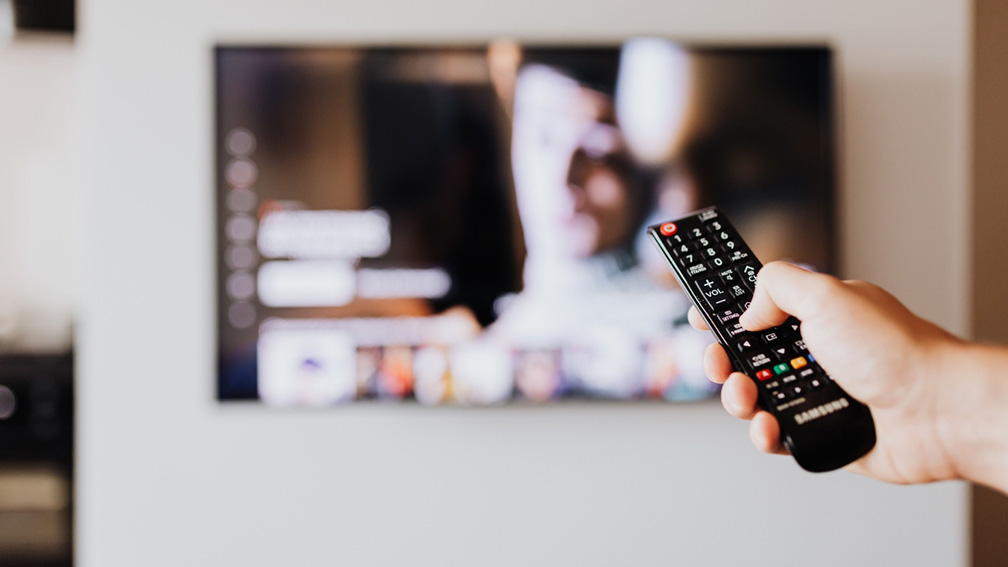
Smart TVs are some of the worst offenders.
Many come with a feature called Automatic Content Recognition (ACR), switched on by default. It works like a fingerprint scanner for your screen, capturing information about everything you watch and sending it back to the manufacturer. You agreed to it somewhere in the terms and conditions you blitzed through when you set it up. Most people have no idea it’s even there.
Tablets and phones bring their own risks.
Although many hardware manufacturers like to brag about privacy, lots of tablets and phones will share your location, accept connections from nearby devices and back up your data to the company’s servers — all by default.
Plus, your home network is only as secure as its weakest device. One poorly configured smart TV or old tablet with an out-of-date OS (operating system) can give attackers a foothold into everything else connected to the same router.
Check these 4 things before you connect
Before you connect any new smart TV, tablet or phone to your home or truck network, take five minutes to check the settings manually. You do not need to be a tech expert. Focus on the areas that create the biggest openings.
1) Update the device and change default passwords.
First, update the device and change any default passwords or PINs. A brand-new device may have been sitting in a warehouse for months, which means it could already need a security update. Default credentials are also easy for attackers to find online.
2) Review privacy settings and app permissions.
Next, review privacy settings. On a smart TV, look for Automatic Content Recognition, or ACR, and turn it off. Depending on the brand, it may be listed under Viewing Data, Live Plus, SyncPlus, Smart TV Experience or privacy settings. On a phone or tablet, check location, camera, microphone and nearby device permissions.
3) Turn off features you do not use.
Then, turn off connectivity features you do not use. Bluetooth, remote access, file sharing and screen mirroring can all create openings when they stay on all the time.
4) Add a VPN for another layer of privacy.
Finally, consider adding a VPN for another layer of privacy. A VPN encrypts your internet traffic, which helps protect what your smart TV, phone, tablet or laptop sends over the network. A trusted VPN has apps for many popular devices, and it can also run at the router level on compatible routers.
The full checklist below walks you through each step.
New device security checklist
Next time you bring home a smart TV, tablet or phone, do these things before you use it every day.
1) Put smart devices on a guest Wi-Fi network first.
Before you connect the device, open your router app or router settings page. Look for Guest Network, IoT Network or Device Isolation. Create a separate Wi-Fi name for TVs, speakers, cameras and smart home gear.
Use WPA3 Personal if your router offers it. If not, use WPA2 Personal. Give this network a strong password that you do not use anywhere else. Then connect the new smart TV or tablet to that network instead of the same Wi-Fi your work laptop uses.
2) Update the software before signing in everywhere.
Install updates before you add streaming apps, email accounts or payment info.
- iPhone or iPad: Open Settings > General > Software Update > Download and Install. Then tap Automatic Updates and turn on iOS or iPadOS updates.
- Samsung phone or tablet: Open Settings > Software update > Download and install. On some models, go to Settings > System updates. Settings may vary depending on your device’s manufacturer
- Other Android phone or tablet: Open Settings > System > Software update > System update > Check for update. The exact wording can vary by brand.
- Samsung smart TV: Go to Settings > All Settings > Support > Software Update > Update Now. Turn on Auto Update, too.
- LG smart TV: Go to Settings > All Settings > Support > Software Update > Check for Updates. Turn on Auto Update, too.
- Roku TV or Roku device: Press Home > Settings > System > Software update > Check Now.
3) Change default passwords, PINs and device names.
Do not leave factory passwords in place. Change the device PIN, parental control PIN or purchase PIN if the setup screen offers one. Use a password manager to create and store strong, unique passwords. Use a long passcode on phones and tablets instead of a 4-digit code. Also, rename the device. A name like “Kurt’s Bedroom TV” tells more than you need to share. Use something generic like “Living Room TV” or “Tablet 1.”
4) Turn on account protection before adding apps.
Before you sign in to Apple, Google, Samsung, Amazon or Roku, turn on two-factor authentication where available. For Roku, set a PIN to help block unwanted purchases, subscriptions and app additions.
- Apple: Open Settings > your name > Sign-In & Security > Two-Factor Authentication > follow the onscreen instructions.
- Google: Open your Google Account > Security & sign-in > How you sign in to Google > 2-Step Verification > Turn on 2-Step Verification > follow the onscreen steps.
- Samsung: Open Settings > your Samsung account name > Security and privacy > Two-step verification > follow the prompts.
- Amazon: Open the Amazon app > account icon > Your Account > Login & security > Two-Step Verification > Get Started > follow the prompts.
- Roku: Go to my.roku.com > sign in > Device settings > PIN/Parental controls > choose when a PIN is required for purchases, subscriptions and adding apps > Save.
5) Turn off ACR and ad tracking on smart TVs.
Smart TVs often include Automatic Content Recognition, or ACR. It can identify what appears on your screen for ads, analytics or recommendations. Turn it off during setup or immediately after setup.
- Samsung TV: Press Home > Settings > All Settings > General & Privacy > Terms & Privacy or Privacy Choices. Turn off Viewing Information Services. Also review Interest-Based Advertising and Voice Recognition Services.
- LG TV: Press Settings > All Settings > Support > Privacy & Terms. Look for Live Plus, Viewing Information or advertising options and turn off tracking you do not want.
- Roku TV: Press Home > Settings > Privacy > Smart TV Experience. Uncheck Use info from TV inputs. Then go to Advertising and turn on Limit ad tracking.
- Amazon Fire TV: Go to Settings > Preferences > Privacy Settings. Review Device Usage Data, Collect App Usage Data, Interest-Based Ads and Automatic Content Recognition if that option appears.
- Vizio TV: On newer Vizio TVs, go to All Settings > Privacy & Legal > Viewing Data and turn it off. On older models, go to System > Reset & Admin > Viewing Data.
6) Limit location, camera and microphone access.
Phones and tablets often ask for more access than an app needs. Give each app the least access possible.
- iPhone or iPad: Open Settings > Privacy & Security > Location Services. Tap each app and choose Never, Ask Next Time or While Using the App. Then review Camera, Microphone, Bluetooth, Contacts and Photos in the same Privacy & Security menu.
- Samsung Galaxy phone or tablet: Open Settings > Security and privacy > Permission manager. Review Location, Camera, Microphone, Contacts, Nearby devices and Photos and videos. Change apps to Ask every time, Allow only while using the app or Don’t allow when access is not needed.
7) Disable wireless features you do not use.
Turn off Bluetooth when you do not need it. On phones, tablets and TVs, also look for Nearby Share, Quick Share, AirDrop, file sharing, screen mirroring and remote access.
- iPhone or iPad: Go to Settings > General > AirDrop. Choose Receiving Off or Contacts Only.
- Samsung Galaxy or Android phone: Open Settings and search for Quick Share. Tap Who can share with you, then choose a more private option such as Your devices or Contacts instead of making your phone visible to everyone.
- Smart TV: Open Settings and check Network, Connection or External Device Manager. Turn off remote access, screen sharing or mobile device connection features you do not use.
8) Turn on lost-device protection.
Set this up before the device goes missing.
- iPhone or iPad: Open Settings > your name > Find My > Find My iPhone or Find My iPad. Turn on Find My, Find My network and Send Last Location.
- Samsung Galaxy phone or tablet: Open Settings > Security and privacy > Lost device protection. Turn on Allow this phone to be found, Send last location and Offline finding.
- Other Android phone or tablet: Open Settings > Security > Find Hub and make sure Allow device to be located is turned on. The wording may vary by brand.
For tablets used by kids or guests, write down the serial number. Keep it somewhere safe in case you need to report the device lost or stolen.
9) Remove apps you do not need.
New devices often come with preinstalled apps. Delete or disable anything you will not use. Then install apps only from the official app store for that device.
On phones and tablets, avoid sideloading apps unless you know exactly where they came from.
On smart TVs, skip random free streaming apps with poor reviews, no clear developer or strange permission prompts.
10) Cover everything with a VPN.
A VPN adds a layer of privacy by encrypting your internet traffic. ExpressVPN has apps for many popular phones, tablets, computers and streaming devices. It can also run at the router level on compatible routers. That router option is helpful because it can protect devices that do not support a VPN app. Once the router VPN is set up, connected devices can get VPN protection automatically.
My No. 1 pick is ExpressVPN because it checks those boxes without making you think about it. It uses strong encryption, has a no-logs policy, includes a kill switch if the VPN connection drops and runs on iPhone, Android, Windows, Mac and routers.
ExpressVPN: Best for Speed & Security
ExpressVPN is the go-to choice for those who prioritize ultra-fast speeds, reliability, and top-tier security. With servers in 105 countries, ExpressVPN delivers blazing-fast performance for streaming, gaming, and secure browsing. It supports P2P file sharing, offers best-in-class encryption, and maintains a strict no-logs policy, with all servers running on RAM for enhanced privacy. You can connect up to 10 devices simultaneously, and setup takes under 2 minutes. Plus, with 24/7 live customer support and a 30-day money-back guarantee, ExpressVPN is a premium choice for security-focused users who want speed without compromise.
For the best VPN software, see Kurt’s expert review of the best VPNs for browsing the web privately on your Windows, Mac, Android & iOS devices at Cyberguy.com/VPN.
Related Links:
- Why your VPN keeps getting blocked and the simple fix
- Can you be tracked when using a VPN?
- Tired of websites blocking your VPN? A dedicated IP fixes that
Key takeaways
Your phone or tablet can carry a lot of sensitive information when you’re on the road, from your location and contacts to email, financial accounts and work-related data. A replacement device may come with privacy settings, wireless connections and app permissions turned on by default. Before you start using it, install the latest updates, review permissions, strengthen your account security and shut off features you do not need. A few minutes of setup can give you much more control over what your new device shares.
When you replace a phone or tablet on the road, which worries you more: Getting everything working again or making sure the new device keeps your information private? Let us know your thoughts by writing us at Cyberguy.com/Contact.
Sign up for Kurt’s FREE CyberGuy Report:
-
- Get Kurt’s best tech tips, urgent security alerts and exclusive deals delivered straight to your inbox.
- For simple, real-world ways to spot scams early and stay protected, subscribe to my free CyberGuy Report Newsletter by heading to Cyberguy.com/Newsletter, trusted by millions who watch CyberGuy on TV daily.
- Plus, you’ll get instant access to Kurt’s Ultimate Scam Survival Guide free when you join.
Copyright 2026 CyberGuy.com. All rights reserved.
Kurt the CyberGuy is an award-winning tech journalist who helps people make smart tech decisions from his contributions to Fox News & FOX Business, beginning mornings on “FOX & Friends.” Stay safe & in the know — at no cost. Subscribe to Kurt’s The CyberGuy Report for free security alerts & tech tips.
Join Kurt on his podcast, The CyberGuy Report, as he explores the most fascinating breakthroughs in tech and the people behind them. Look for new episodes every Wednesday at CyberguyPodcast.com.
Ask Kurt a question or let us know what stories you’d like us to cover.
Follow Kurt on his social channels:
Facebook • YouTube • Instagram • TikTok

Kurt Knutsson — best known as “Kurt the CyberGuy” — has a deep love of technology that makes life better. Because of this, along with a passion for helping others, he created the largest syndicated tech lifestyle franchise on television. As a trusted source, Kurt’s unique insider access to major tech launches and industry visionaries has helped earn him two Emmy Awards and a Golden Mic.
Kurt lives between his home in California and New York City, where he is also the chief tech contributor on Fox News & Fox Business networks beginning his mornings on Fox & Friends.
Kurt’s a curious guy. Like many entrepreneurs in life, he wears several hats like running a private investment fund, giving inspirational talks, mentoring start-ups and traveling the world chasing down the next breakthrough.