





For years, the trucking industry has wrestled with the same challenge — finding qualified drivers.
While many companies continue searching for experienced CDL holders, a growing group of employers has taken a different approach: Instead of waiting for talent to arrive at their doorstep, they are actively creating it.
These companies are investing in CDL training, apprenticeship programs, mentorship, school partnerships and structured onboarding programs that help individuals enter trucking with little or no experience. They understand that the future workforce will not simply appear. It must be developed.
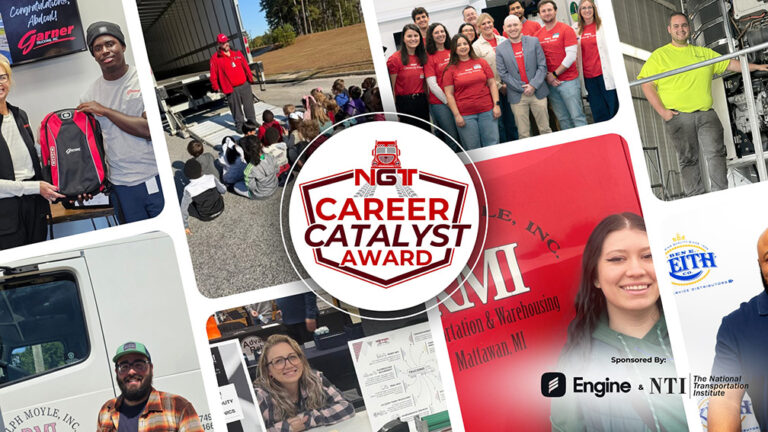
Several of these employers were recently recognized through the Next Generation in Trucking Association’s Career Catalyst Awards, which honor organizations helping build the next generation of transportation professionals. Their programs offer valuable examples of how carriers can strengthen their workforce while creating life-changing career opportunities for new entrants.
Hiring Potential, Not Just Experience
One of the most significant shifts occurring among leading carriers is a willingness to hire individuals who have little or no industry experience.
For decades, many trucking companies focused recruiting efforts primarily on experienced drivers. Today, innovative carriers are recognizing that long-term success requires developing new talent from the ground up.
Roehl Transport has become one of the industry’s most recognizable examples of this approach. Through its paid CDL training program, Roehl helps individuals earn their CDL while receiving instruction, coaching and real-world experience. Rather than requiring candidates to arrive with a commercial license, the company provides a pathway into the profession.
Tim Norlin, vice President at Roehl Transport, believes the benefits extend far beyond filling driver seats.
“By investing in hiring and training entry-level drivers, we can instill safety as a cornerstone value in their driving behavior and teach those new drivers the ‘Roehl Way’ of operating a commercial vehicle,” he said. “In the end, those drivers are safer and focused on doing the right things.”
Roehl’s approach highlights an important lesson for the industry: Companies that invest early have the opportunity to shape professional habits, reinforce safety culture and develop drivers according to their operational standards from the very beginning.
By eliminating the need for prospective drivers to independently finance training before employment, Roehl has expanded access to trucking careers while helping create a stronger pipeline of professional drivers.
Building Structured Career Pathways
The most successful workforce development programs do more than teach someone how to pass a CDL exam: They provide a structured pathway from student to professional driver.
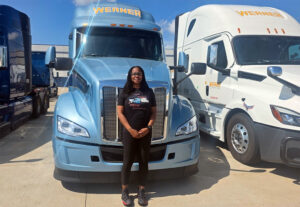
Werner Enterprises has long been recognized as a leader in driver development. New drivers entering Werner’s programs receive support through onboarding, coaching, mentorship and continued skill development as they transition into professional driving careers.
The company’s approach acknowledges an important reality: Obtaining a CDL is only the beginning of a driver’s professional journey.
New entrants often face a steep learning curve as they gain experience navigating customers, equipment, regulations, trip planning and real-world operating conditions. Structured onboarding programs help drivers build confidence while reinforcing safe operating practices.
By investing in drivers beyond their initial licensing period, Werner is helping create professional drivers who are prepared for long-term careers rather than short-term employment.
Apprenticeships Create Opportunities
Apprenticeship programs continue to emerge as one of the most promising workforce development tools in trucking.
Kenan Advantage Group (KAG) has embraced apprenticeship models that provide new entrants with a clear pathway into transportation careers. Through partnerships with schools, workforce organizations and training providers, KAG is helping individuals gain the skills and experience necessary to succeed in the industry.
These programs combine classroom learning, hands-on training, mentorship and progressive responsibility. Participants are able to earn while they learn, reducing barriers that often prevent individuals from pursuing transportation careers.
KAG’s commitment to workforce development extends beyond filling immediate openings. The company is investing in long-term talent pipelines that will support the industry’s future workforce needs.
Supporting Drivers Beyond Day One
Many carriers have discovered that recruiting drivers is only part of the challenge. Retaining them requires support, coaching and opportunities for continued growth.
Covenant Logistics has developed a strong reputation for helping new CDL holders transition successfully into professional driving careers. Through structured onboarding, trainer support and multiple career pathways within the organization, Covenant creates an environment where new drivers can continue developing their skills after earning a license.
Astin Robertson, senior director of enterprise talent acquisition at Covenant Logistics, believes new drivers need support from every part of the organization to succeed.
“For new CDL graduates to be successful, they require strong support from all areas of the organization,” he said. “Entering the industry as a new driver can be an intimidating experience. However, at Covenant, we are committed to setting our graduates up for success.
“We do this by pairing each new driver with an experienced trainer who guides them through their initial time on the road, providing hands-on support and mentorship,” he continued. In addition, our driver retention team conducts proactive check-ins to ensure new drivers feel supported, confident and equipped to navigate their early experiences.”
Rather than viewing driver training as a one-time event, Covenant treats development as an ongoing process. This approach not only strengthens retention but also creates opportunities for drivers to grow professionally throughout their careers.
The company actively engages with technical schools, CDL training programs, colleges and workforce development initiatives to introduce individuals to transportation careers and connect new drivers with opportunities for long-term success.
Partnering with Schools to Build Future Talent
Some of the most impactful workforce development efforts begin long before students enter the workforce.
Across the country, employers are partnering with schools to introduce students to transportation careers and create stronger connections between education and industry.
Crawford Trucking has become deeply involved with educational partnerships that expose students to trucking careers through facility tours, advisory board participation, classroom engagement and support for CDL training programs.
Garner Trucking has taken a similar approach. The company works closely with training providers and educational partners to help students successfully transition from training environments into trucking careers. Garner has also supported prospective drivers by helping them navigate training opportunities and funding resources that make CDL education more accessible.
For Sherri Garner Brumbaugh, CEO and owner of Garner Trucking, developing new drivers starts with creating a culture where people feel valued and supported.
“We are asked many times what Garner’s ‘secret sauce’ is to train a truck driving school grad or younger driver,” she said.
“Simply, treat people like you would be treated: Be present, be helpful, be kind, be compassionate. No question is a dumb question. Driving a truck is more than a job; it is a lifestyle,” she continued. “To this day I am in awe of what a truck driver does. It is a skill I don’t possess, so I think my Garner drivers are rockstars.”
That philosophy reflects a lesson many successful carriers have learned: Attracting new talent is only part of the equation. Creating an environment where new drivers feel respected, supported and appreciated is what ultimately helps them build lasting careers in the industry.
When students interact directly with employers before graduation, they gain a clearer understanding of career opportunities available within trucking. These partnerships help bridge the gap between education and employment while strengthening the industry’s future workforce pipeline.
Creating Debt-Free Pathways Into Trucking
One of the biggest obstacles facing prospective drivers is the cost of training.
Several Career Catalyst Award winners are helping eliminate this barrier by creating pathways that allow individuals to enter trucking without assuming significant educational debt.
Ralph Moyle has become a strong example of how employers can invest directly in workforce development. Through apprenticeship-based approaches and structured training opportunities, the company provides individuals with a pathway into trucking that emphasizes learning, mentorship and professional development.
By reducing financial barriers and supporting individuals throughout the training process, companies like Ralph Moyle are opening doors for people who may have otherwise never considered trucking as a career.
This approach not only benefits workers but also helps employers develop a loyal and highly engaged workforce.
Investing in the Industry’s Future
What separates these companies from traditional recruiting models is their willingness to invest in people before those individuals become fully productive employees.
Training programs, mentorship initiatives, school partnerships, apprenticeships and structured onboarding programs all require significant commitments of time and resources.
Yet these employers understand that developing talent is not simply an expense: It is an investment.
Whether it is Roehl paying individuals while they earn a CDL, Werner supporting drivers through structured development programs, KAG expanding apprenticeship opportunities, Covenant creating ongoing career pathways, Crawford and Garner partnering with schools, or Ralph Moyle helping individuals enter the industry through apprenticeship models, each organization is demonstrating a commitment to workforce development that extends beyond hiring.
The trucking industry’s future will depend on companies willing to build talent rather than simply compete for it.
Fortunately, a growing number of carriers are proving that the most effective workforce strategy is not finding the next driver — it is helping create one.
The companies leading this effort are doing more than filling seats behind the wheel. They are creating opportunities, strengthening communities and helping build the next generation of professional drivers who will keep America’s supply chain moving for years to come.
Learn More
The companies featured in this article are among the organizations recognized through the 2026 Career Catalyst Awards for their commitment to developing the next generation of transportation professionals.
To see the complete list of 2026 Career Catalyst Award winners, click here.

Lindsey Trent is the co-founder and president of the Next Generation in Trucking Association, a nonprofit trade group dedicated to promoting careers in the trucking industry, building and enhancing school-based training programs, connecting tomorrow’s workforce with today’s employers, and celebrating achievements across trucking — all to support a professional, skilled, and diverse supply chain.
After getting her start in truck driver staffing, she gained experience in business development at Ryder, deepening her understanding of supply chain and workforce needs. Lindsey is passionate about building education-to-industry partnerships and has helped launch supply chain, diesel tech, and CDL programs across the country to strengthen the trucking talent pipeline. She also serves on multiple industry and school boards, and lives in Louisville, Kentucky, with her husband and two children.



👍