






WASHINGTON, DC — A coalition of trucking associations have called on the U.S. Environmental Protection Agency to delay implementation of its heavy-duty NOₓ rule until 2031, citing substantial added costs amid already-existing economic and operational pressures facing the trucking industry.
That is according to a press release issued by the American Trucking Association which reports that a letter to EPA Administrator Lee Zeldin, where the industry thanked the EPA for engaging with industry stakeholders and for its March 12 announcement to reevaluate the heavy-duty NOₓ regulation, finalized in January 2023.
The letter was signed by the American Trucking Associations, its federation of 49 state trucking associations, the Truckload Carriers Association, and the National Tank Truck Carriers, according to the release.
“We commend the Trump Administration for restoring commonsense, realistic regulations that reflect the economic realities our industry faces,” said ATA President and CEO Chris Spear. “By supporting policies that balance environmental protection with practical implementation, this administration is helping ensure America’s trucking industry can continue delivering the freight that keeps our economy moving.”
In the letter, ATA stressed that today’s modern trucks already meet stringent emissions standards, producing 99% fewer NOₓ and particulate matter emissions than previous generations. The industry argued that delaying the rule would preserve affordable, reliable equipment while allowing continued environmental progress.
“As finalized, the heavy-duty NOₓ rule imposes substantial compliance costs and operational burdens at a time when the trucking industry is already contending with historically difficult market conditions,” ATA wrote. “With prolonged weakness in freight demand and inflationary cost pressures, the rule’s 2027 implementation timeline threatens to intensify strain across our industry.”
The release also stated that the ATA also urged EPA to conduct a full reconsideration of the regulation’s provisions—such as stringency levels, warranty obligations, useful life requirements, and technical elements—and finalize any changes by the end of 2026 to give manufacturers adequate lead time for the 2031 implementation.
In its conclusion, the letter stated, “An implementation delay will provide much-needed near-term certainty, and a full reconsideration of the heavy-duty standards will help ensure the trucking industry’s ability to affordably deliver our nation’s freight in a safe and efficient way.”

Bruce Guthrie is an award-winning journalist who has lived in three states including Arkansas, Missouri and Georgia. During his nearly 20-year career, Bruce has served as managing editor and sports editor for numerous publications. He and his wife, Dana, who is also a journalist, are based in Carrollton, Georgia.





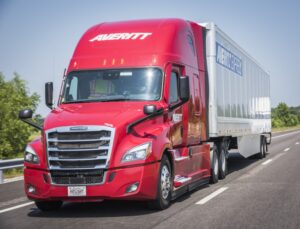
Trucking industry calls on EPA to delay and reconsider federal NOx standard
Comment