





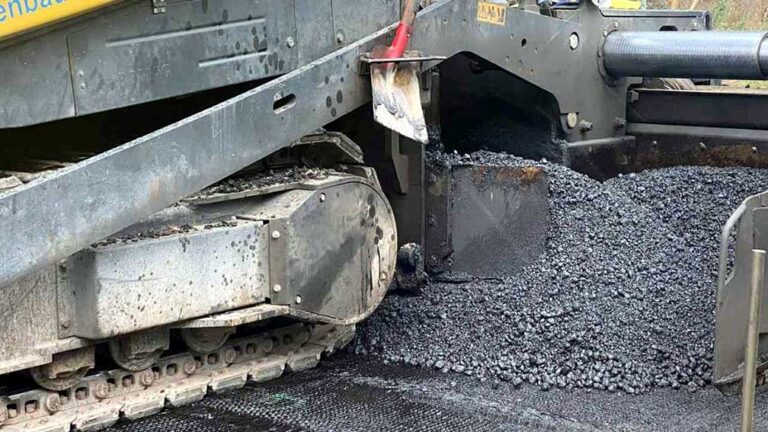
New smart fabric monitors asphalt damage in real time to prevent wasteful roadwork
If you spend your days on the road, you know rough pavement is more than just an inconvenience. Bad roads can wear down your truck, waste fuel and slow your deliveries. Now, a new kind of technology could make your routes smoother and your hauls more predictable.
Researchers in Germany have developed a smart fabric that uses artificial intelligence (AI) to track road damage in real time. Instead of waiting for cracks or potholes to appear, this system monitors what’s happening underneath the asphalt.
The goal is simple: Catch problems early and fix them before they turn into major repairs.
For truckers, that could mean fewer detours, less downtime and a lot less stress on the road. It’s a smart step toward safer, longer-lasting highways that help you stay on schedule.
Sign up for Kurt’s FREE CyberGuy Report: Get my best tech tips, urgent security alerts and exclusive deals delivered straight to your inbox. Plus, you’ll get instant access to my Ultimate Scam Survival Guide — free when you join.
How AI road sensors work to prevent costly repairs
The system uses a fabric made from flax fibers interwoven with ultra-thin conductive wires. These wires detect minute changes in the asphalt base layer, signaling potential damage before it reaches the surface.
Once the fabric is laid under the road, it continuously collects data. A connected unit on the roadside stores and transmits this data to an AI system that analyzes it for early warning signs. As vehicles pass over the road, the system measures changes in resistance within the fabric. These changes reveal how the base layer is performing and whether cracks or strain are forming beneath the surface.
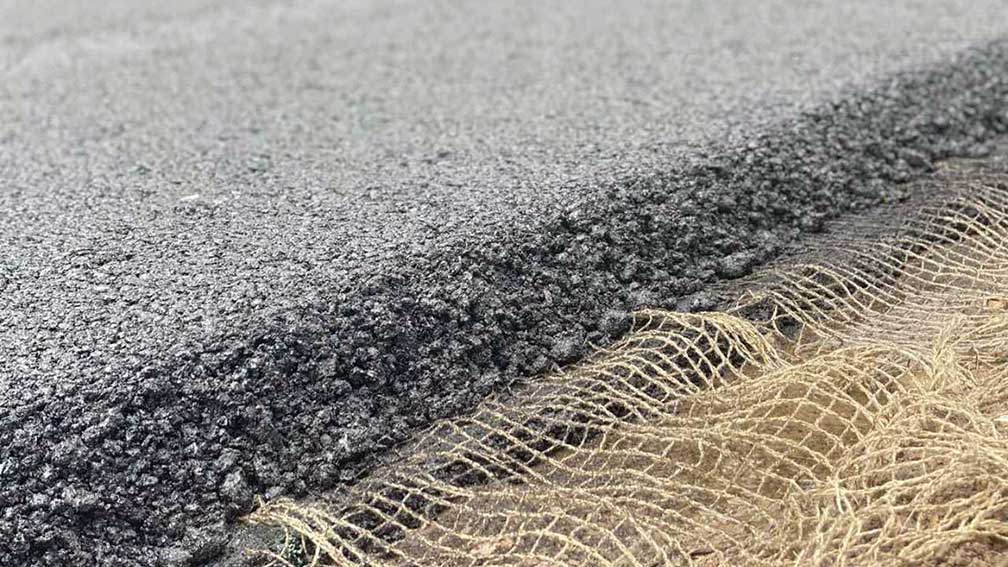
Why AI road monitoring matters for future maintenance
Traditional road inspection methods rely on drilling or taking core samples, which are destructive, costly and only provide information for a small section of pavement. This AI-driven system eliminates the need for that kind of invasive testing.
Instead of reacting to surface damage, transportation agencies could predict and prevent deterioration before it becomes expensive to fix. The approach could extend road life, cut down on traffic delays and help governments spend infrastructure funds more efficiently.

How AI and sensor data predict road damage early
The real power comes from combining AI algorithms with continuous sensor feedback.
Fraunhofer’s machine-learning software can forecast how damage will spread, helping engineers prioritize which roads need maintenance first. Data from the sensors is displayed on a web-based dashboard, offering a clear visual of road health for local agencies and planners.
The project, called SenAD2, is currently being tested in an industrial zone in Germany. Early results suggest the system can identify internal damage without disrupting traffic or damaging the road itself.
What this means for you
Smarter road monitoring could lead to fewer potholes, smoother commutes and less taxpayer money wasted on inefficient repairs. If adopted widely, cities could plan maintenance years in advance, avoiding the cycle of patchwork fixes that often make driving a daily headache.
For drivers, it means less time sitting in construction zones. For local governments, it means better roads built on data, not guesswork.
Take my quiz: How safe is your online security? Think your devices and data are truly protected? Take this quick quiz to see where your digital habits stand. From passwords to Wi-Fi settings, you’ll get a personalized breakdown of what you’re doing right and what needs improvement. Take my quiz here: Cyberguy.com/Quiz
Kurt’s key takeaways
This new AI road technology has the potential to make a big difference for anyone who drives for a living. By spotting wear and tear before it becomes visible, it can help keep highways smoother and safer for long hauls. Fewer damaged roads mean less strain on your tires, suspension and cargo. They also mean fewer surprise work zones that cut into your hours and your paycheck. With better data and planning, road crews can fix small issues before they turn into big, costly problems. Artificial intelligence may not make roads perfect, but it can make them a lot more dependable. For truckers and fleets, that translates into steadier routes, less downtime and a smoother ride from start to finish.
Would you trust AI to decide when and where your city repaves the roads? Let us know by writing to us at Cyberguy.com/Contact.
For more of Kurt’s tech tips & security alerts, subscribe to the free CyberGuy Report Newsletter.
Copyright 2025 CyberGuy.com. All rights reserved.
Kurt the CyberGuy is an award-winning tech journalist who helps people make smart tech decisions from his contributions to Fox News & FOX Business, beginning mornings on “FOX & Friends.”
Ask Kurt a question or let us know what stories you’d like us to cover.
Follow Kurt on his social channels:
Facebook • YouTube • Instagram • TikTok

Kurt Knutsson — best known as “Kurt the CyberGuy” — has a deep love of technology that makes life better. Because of this, along with a passion for helping others, he created the largest syndicated tech lifestyle franchise on television. As a trusted source, Kurt’s unique insider access to major tech launches and industry visionaries has helped earn him two Emmy Awards and a Golden Mic.
Kurt lives between his home in California and New York City, where he is also the chief tech contributor on Fox News & Fox Business networks beginning his mornings on Fox & Friends.
Kurt’s a curious guy. Like many entrepreneurs in life, he wears several hats like running a private investment fund, giving inspirational talks, mentoring start-ups and traveling the world chasing down the next breakthrough.




Pothole prevention: AI and future tech are making roads safer for drivers
Comment